
Installing solar battery storage in Queensland is catching on as more households try to get the most out of their solar panels and cut back on grid use. For most homeowners, solar batteries can shrink energy bills and boost energy independence, but the upfront costs and payback times really matter.
Queensland gets plenty of sunshine and electricity rates aren't exactly cheap, so you might be asking if a battery is actually worth it for your home. Battery tech keeps changing fast, so weighing the benefits and drawbacks now could help you figure out if it's the right move.
Key Takeaways
- Battery storage can cut your energy costs and let you use more of your solar power directly.
- Upfront costs and payback timeframes are big factors when deciding if storage makes sense.
- Queensland's sunshine and future energy changes play into whether a battery is a good investment.
Understanding Solar Battery Storage in Queensland
Solar battery storage helps manage the power your rooftop solar panels generate. With tech getting better all the time, battery systems are now more effective and easier for Queensland homes and businesses to use.
How Solar Battery Storage Works
A solar battery system grabs extra electricity your panels make during sunny spells. Instead of sending that surplus to the grid, you stash it for later—like after sunset or when the weather's lousy.
This way, you tap into your own solar power more often, not the grid. In a sunny place like Queensland, that can make a real difference to your bills. Plenty of new systems have "smart" features, so you can schedule when to use battery power or switch over automatically during blackouts.
Key Components of a Solar Battery System
A standard solar battery setup has a few main parts:
- Solar panels: Turn sunlight into electricity.
- Inverter: Converts DC power from the panels into AC for your home.
- Battery: Stores extra solar power for later.
- Battery management system (BMS): Looks after the battery's health and safety.
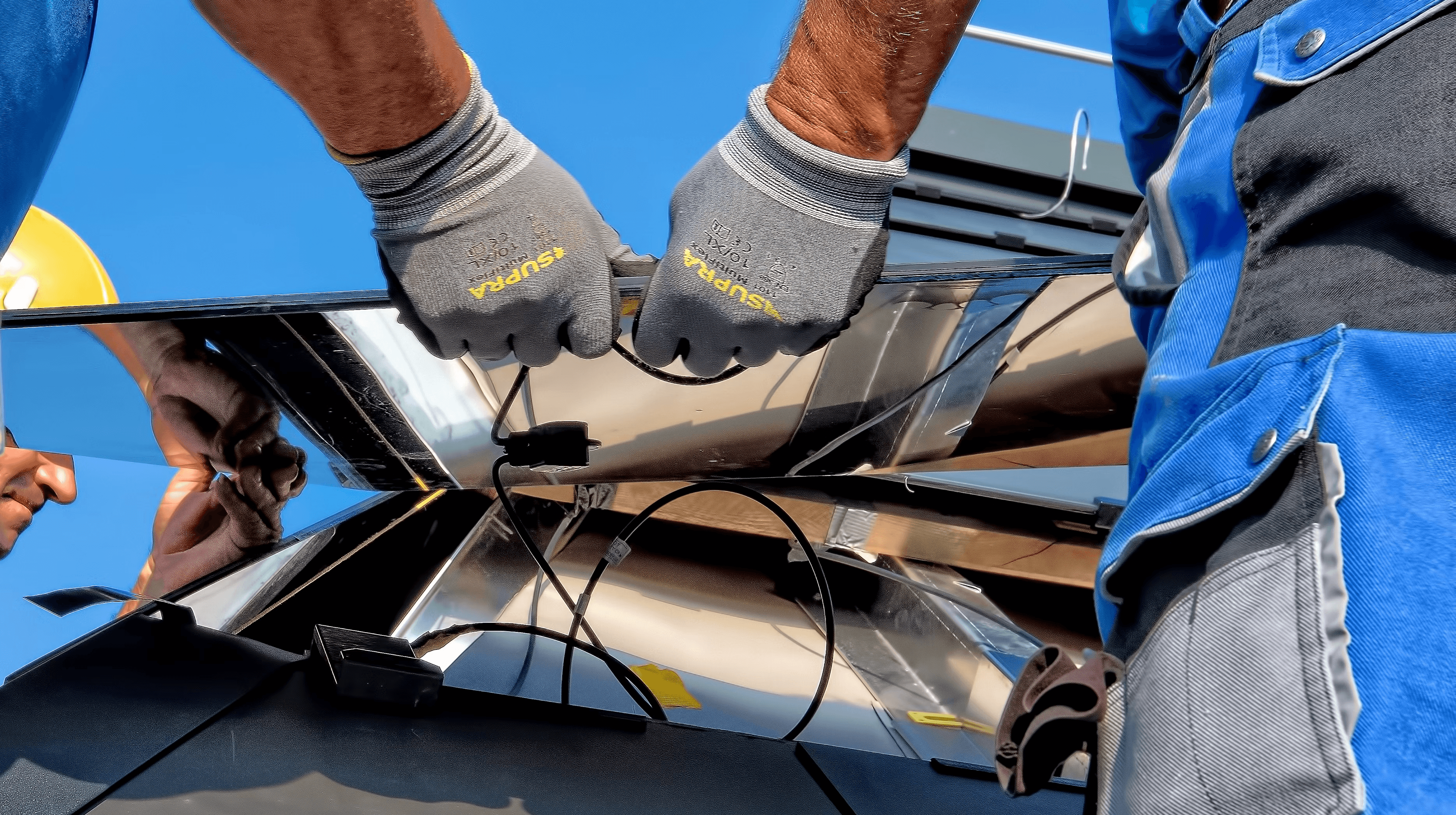
Some systems bundle everything into one unit, which can make installation smoother. Many also come with handy monitoring apps, so you can keep an eye on what's happening in real time.
Recent Technological Advancements
Solar battery tech has gotten a lot better—think longer lifespans, more efficient charging, and improved safety. These days, most lithium-ion batteries can handle more cycles without losing much capacity.
Notable improvements:
- Quicker charging
- Better integration with digital energy management
- Features like blackout protection and remote monitoring
Hybrid inverters and virtual power plant options are pretty common now, too, letting you join grid programs or even earn a bit on the side. All in all, today's systems are a lot more flexible and reliable than they used to be.
Costs, Savings, and Financial Return
Solar battery storage in Queensland isn't cheap up front, but it can pay off if you pick the right system and use it well. Before diving in, consider battery prices, payback times, how much you'll actually save, and any incentives you might get.
Upfront Investment and Battery Prices
Prices usually land between $5,000 and $15,000 for a full installation, depending on the battery's size and the brand. A typical 10kWh battery—enough for many homes—costs about $8,000 to $12,000 installed.
Main costs include:
- Battery hardware (usually lithium-ion)
- Inverter (if you need one)
- Installation and electrical work
- Monitoring/control gear
Hardware's gotten a bit cheaper over the years, but install costs haven't really budged. Warranties in Australia usually last 10 years or a set number of cycles. Always check the quote for hidden extras.
Payback Period and Return on Investment
Most Queensland homes see a payback period of 7 to 12 years, depending on how much battery power you use each day and what happens with electricity rates. If you use a lot of power in the evenings or during peak tariffs, you might see a shorter payback.
Here's a rough table of payback times based on usage and rates:
| Daily Battery Use (kWh) | Electricity Price (c/kWh) | Estimated Payback (yrs) |
|---|---|---|
| 6 | 30 | 10 |
| 10 | 30 | 8 |
| 10 | 40 | 7 |
Your ROI improves if you shift more of your usage to stored solar, especially as prices creep up. Batteries can also help you dodge higher network tariffs or keep you running during blackouts, which adds some value.
Energy Savings and Electricity Bills
With a battery, you use more of your solar power instead of sending it out to the grid. That means you buy less from your retailer, so your bills drop.
Most households save somewhere between $300 and $900 a year, depending on how much power you use, your battery size, and your local rates. If you make a lot of solar and use most of your power at night, you'll probably save more. Smart battery management can squeeze out even more savings by shifting your usage to the best times.
Some retailers let you join virtual power plant (VPP) programs, where you can earn credits for sharing stored energy during peak demand. It's not for everyone, but it's worth checking out if you're keen.
Available Incentives and Rebates
As of June 2025, there's no Queensland-wide battery rebate for homes. The federal Small-scale Renewable Energy Scheme (SRES) still helps with the cost of new solar panels if you get them with a battery.
Some councils or energy retailers might offer limited-time deals, like interest-free loans, discounts, or pilot programs. Offers change a lot, so it pays to look around before you buy.
Incentives can make a real difference in payback time if you can snag one. Always keep your paperwork for rebates or schemes—requirements can vary and sometimes feel a bit fiddly.
Benefits and Challenges of Installation
Solar battery storage in Queensland brings some real perks for homeowners, but there are a few hurdles too. It comes down to how much solar you can use yourself, your environmental goals, and your need for backup during outages.
Energy Independence and Backup Power
Solar batteries help you rely less on the grid, especially when solar production is low or prices spike. That means more control over your energy and fewer surprises on your bills.
Batteries can also keep the lights on during brief blackouts—handy for saving food, keeping the Wi-Fi going, or running a fridge. But most batteries won't power everything for hours on end, so you'll need to pick which circuits or appliances matter most.
Here's a ballpark idea of backup coverage:
| Battery Size | Typical Backup Duration |
|---|---|
| 5 kWh | 2–6 hours (lights, small devices) |
| 10 kWh | 6–12 hours (fridge, lights, internet) |
| 13-15 kWh | 12–24 hours (includes small air-con or pump) |
It really pays to get a system sized for your needs. Don't forget, installation means extra costs, some electrical tweaks, and you'll need a spot to put the battery.
Reducing Carbon Footprint and Energy Efficiency
Batteries let you use more of your solar power right at home. That means you're pulling less from the grid, which in Queensland often means less coal or gas use—especially at night.
Your carbon footprint drops the more you charge your battery with excess solar instead of exporting it. That's cleaner than drawing grid power after dark.
Batteries aren't perfectly efficient—you lose about 10–15% when charging and discharging. But if you manage your usage well, especially with a smart system, you can still come out ahead on both bills and emissions.
Impact of Power Outages
Blackouts are a thing in a lot of Queensland—storms, network hiccups, you name it. Having a solar battery gives you some cover for the short, random outages.
Most grid-tied solar systems can't run during a blackout unless you've got a battery, thanks to safety rules. With a battery, you can keep a few essentials powered up.
But not every battery supports "blackout mode," so double-check before you buy. Bigger or hybrid systems can keep you going longer, but they'll cost more.
If you try to run big stuff—like air-con or a pool pump—during an outage, you'll chew through your battery fast. It's smarter to stick to the essentials so you don't get caught short.
Queensland-Specific Factors and Future Trends
In Queensland, decisions about solar battery storage are shaped by local energy programs and the skills of accredited installers. Some key programs and local factors can affect how much value you get from your battery.
Role of VPP Programs
Virtual Power Plant (VPP) programs are popping up everywhere in Queensland. They link your battery with others and feed energy back to the grid when demand spikes.
If you join in, you might get paid or see bill credits for sending your stored energy out. It can make your battery investment look a lot better, but it depends on your battery model and which retailer you're with.
Companies like AGL, EnergyAustralia, and Origin are rolling out more VPP options. Just be aware, joining a VPP usually means giving up some control over your battery and signing up for minimum contract terms. Always read the fine print—eligibility, how to get out, and any impacts on your warranty can all vary.
Choosing a Solar Installer in Queensland
Picking the right installer really shapes how your battery system performs and whether you can actually get those government incentives everyone talks about. Look for Clean Energy Council (CEC) accreditation—without it, you're likely out of luck for most rebates.
Local know-how goes a long way in Queensland. The climate's a bit wild, and the rules aren't quite the same as down south. A good installer won't just give you a quote; they'll actually dig into your usage, check out grid limits, and lay out storage options that make sense for your place.
Checklist for choosing a solar installer:
- CEC accreditation
- Real experience with battery storage
- Clear, itemised quotes (no mysteries)
- Local after-sales support
Ask for references—don't be shy. Glance over the warranty details too, just in case. It's worth comparing a few installers to find someone who'll set you up for the long haul.