

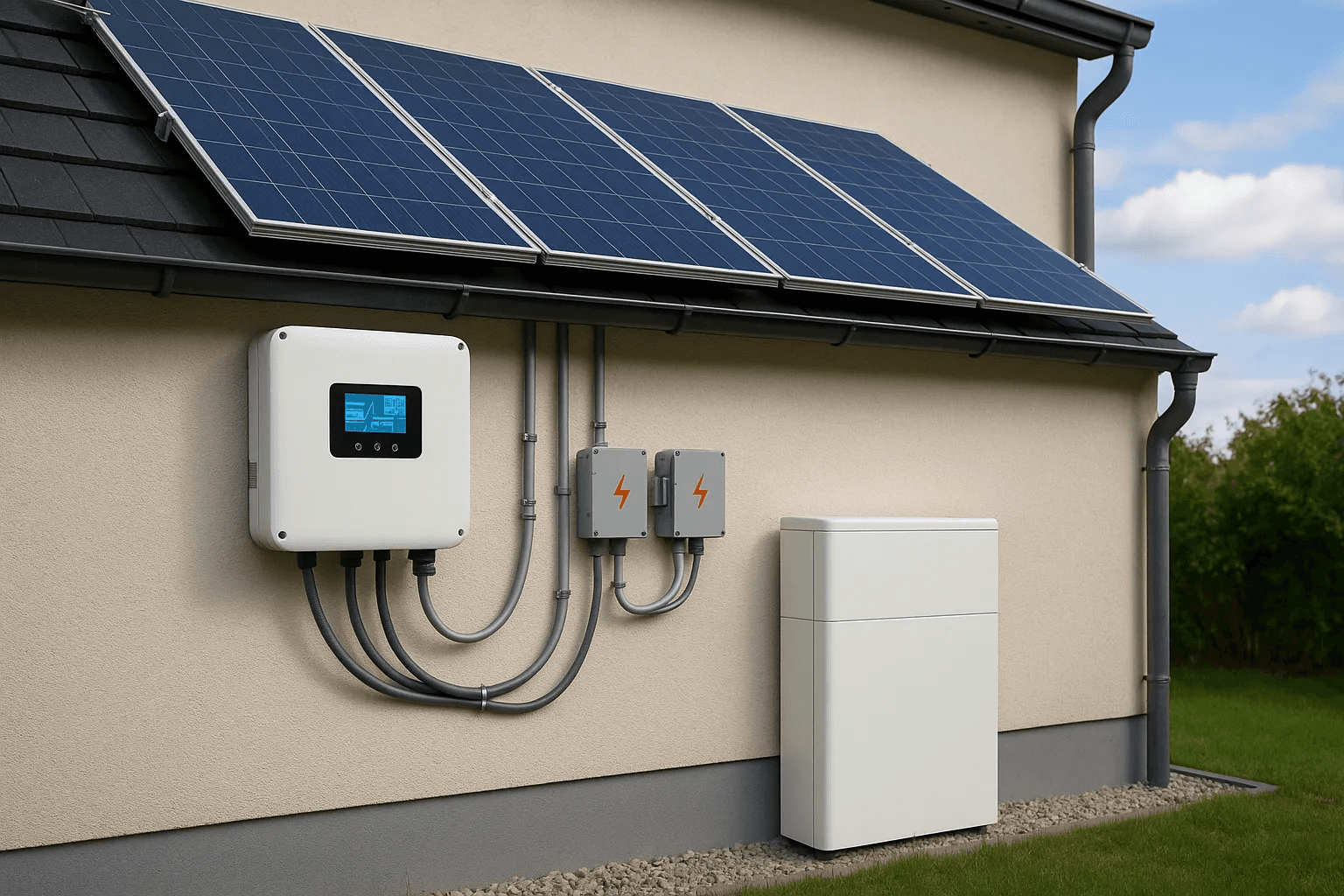
Solar battery storage keeps gaining traction on the Sunshine Coast as more homeowners look for ways to cut dependence on the grid and dodge those ever-climbing electricity bills. With all that Queensland sunshine and some decent government support, the region's pretty much ideal for battery systems that stash away your extra solar power for later.
For most people here, battery storage can be a smart move in the long run, especially if you already have solar panels and can snag some of those government incentives. Of course, whether it's truly worth it depends on how much power you use, what you're paying for electricity, and your own financial situation.
It helps to get a handle on the costs, possible savings, and the different battery types out there. Things like payback times, battery chemistry, and even perks beyond dollar savings all factor into whether this tech fits your needs.
Is Solar Battery Storage Worth the Investment on the Sunshine Coast?
Solar battery storage on the Sunshine Coast brings real value thanks to rising electricity costs, all-day sun, and government incentives. Plus, it gives you more control, especially when storms or outages hit, which isn't exactly rare here.
Key Factors Influencing Value
Several things shape whether a battery system will pay off for you. Right now, full installation costs usually fall between $13,760 and $25,992.
Government incentives can chop down those upfront costs. Queensland used to offer rebates up to $6,115 through its Battery Booster program, and the federal Small-scale Renewable Energy Scheme (SRES) is still in play.
How you use electricity really matters. If your annual bill is over $3,057, you'll likely see a better payback. Households running home offices and burning through 30kWh a day get more out of batteries than those using just 16kWh.
Feed-in tariffs also come into play. Lower feed-in payments make storing your own power more appealing. Peak rates in regional Queensland hit 13.730 cents per kWh, while off-peak dips to 5.796 cents.
With so much sunshine, the Coast is perfect for solar installations. Batteries let you keep that extra daytime power to use later, when grid power gets pricey.
Energy Independence and Self-Sufficiency
Batteries can bump your solar self-consumption from 30-50% up to 80-90% if you size the system right.
Energy independence means you're less exposed to rising prices and less tied to the grid. You can stash away surplus solar when the sun's out and use it later during those expensive evening hours.
Optimizing when you use stored power versus grid power can save you a fair bit. Peak electricity from 3pm-7pm can run you 34.37 cents per kWh, so using your own battery during those hours just makes sense.
Smart management systems now handle charging and discharging automatically, based on your habits and the rates. That's how you squeeze the most out of your setup.
Some folks even join Virtual Power Plants, earning credits by sharing stored energy with the grid during high-demand times. It's a nice bonus if you're into that.
Protection from Power Outages
Outages aren't exactly rare here, especially when storms roll in. A battery can keep your essentials running, fridge, lights, phone chargers, for 4 to 12 hours, depending on your setup.
Backup power is all about how big your battery is and how you configure it. During long outages, solar panels keep charging the battery as long as there's daylight, even if the grid's down.
Most systems with backup can "island" your home during an outage, keeping both your circuits and utility workers safe during repairs.
Honestly, the peace of mind from not losing food or power for medical gear can be worth the investment for a lot of families here.
Costs, Savings, and Payback for Solar Battery Storage
Getting set up with solar battery storage on the Sunshine Coast isn't cheap, but the savings over time can be pretty solid. Rebates help with upfront costs, and most systems pay for themselves in about 7-12 years, depending on how you use them and how big they are.
Upfront Battery Costs and What Affects Pricing
Batteries are priced by how much energy they can store, measured in dollars per kilowatt-hour (kWh). Most home systems land between $8,000 and $15,000, installation included.
What drives the price?
- Battery size (5kWh to 15kWh is typical)
- Type (lithium-ion is pricier than lead-acid)
- Brand and warranty details
- How tricky the install is and if your wiring needs upgrades
Big names like Tesla Powerwall, Enphase, and Alpha ESS are everywhere. Costs can jump if you need electrical upgrades or have a tough installation site.
Expect to pay around $1,200-$1,800 per kWh. For a 10kWh system, you're looking at $12,000-$15,000 fully installed.
Potential Electricity Bill Savings Over Time
How much you save depends on your usage and how much solar you generate. Batteries let you use your own solar after dark, when electricity is at its most expensive.
Most Queensland homes can save $800-$1,500 a year with the right setup, especially during peak tariff times (4pm-8pm).
Savings hinge on:
- Your tariff structure
- When you use most of your power
- How much your solar system generates
- Battery efficiency (usually 90-95%)
Adding a battery can boost your self-consumption from 30% up to 70%, which means you're buying less from the grid when it's most expensive.
Feed-in tariffs are pretty low these days (6-10 cents per kWh), so it usually makes more sense to use your own solar than sell it back.
Payback Periods and Return on Investment
Most batteries pay themselves off in 8-12 years on the Sunshine Coast, depending on how much you save and what you paid up front.
If you use a lot of power in the evenings, think air con, pool pumps, EV charging, you'll see your investment pay off faster.
What impacts payback?
- How much you save on your bill each year
- What you paid after rebates
- When you'll need to replace the battery (usually after 10-15 years)
- Whether electricity prices keep rising (they probably will)
As electricity prices keep creeping up (3-5% a year lately), batteries start to look better and better.
If you get an 8-year payback on a system with a 10-15 year warranty, that's a pretty solid deal.
Government Incentives and Rebates
The federal Cheaper Home Batteries Program offers up to $3,000 in rebates for eligible systems, which takes a nice chunk off the up-front cost.
Queensland's Battery Booster Program gave extra state rebates, but funding's limited now. Some local councils also chip in, so it's worth checking.
To qualify for rebates, you'll usually need:
- Household income under $180,000
- An existing solar system or installing one at the same time
- Approved battery brands and installers
- Compliance with Australian standards
With government help, you can knock 15-25% off the sticker price. For example, a $12,000 system might drop to $9,000-$10,000 after rebates.
That can shave 2-3 years off your payback time and make batteries a lot more appealing.
Types of Solar Battery Solutions on the Sunshine Coast
There's a good mix of battery tech and brands available on the Coast, so you can find something that matches your needs and budget. Tesla Powerwall and Sungrow are the big names, but there are solid alternatives too, each with their own perks.
Choosing the Right Solar Battery for Your Needs
How much energy you can store comes down to battery size. Most homes go for 5kWh to 20kWh, though bigger families or heavy users may want more.
Lithium-ion batteries are the go-to for most people, they're efficient, last 10-15 years, and hold up well over time.
Lead-acid batteries cost less upfront but need more TLC and don't last as long (think 5-7 years). They're okay if you're on a tight budget and don't mind the maintenance.
Look at your daily energy use. Most homes here pull 15-25kWh a day, so a 10-13kWh battery usually covers evening needs.
If you just want backup for essentials, fridge, lights, a few devices, 5-8kWh might do. Whole-home backup? You'll need a bigger system.
Where you'll put the battery matters too. Indoor units (like Tesla Powerwall) are compact. Outdoor-rated systems handle the Queensland heat and storms.
Popular Brands: Tesla Powerwall, Sungrow, and Others
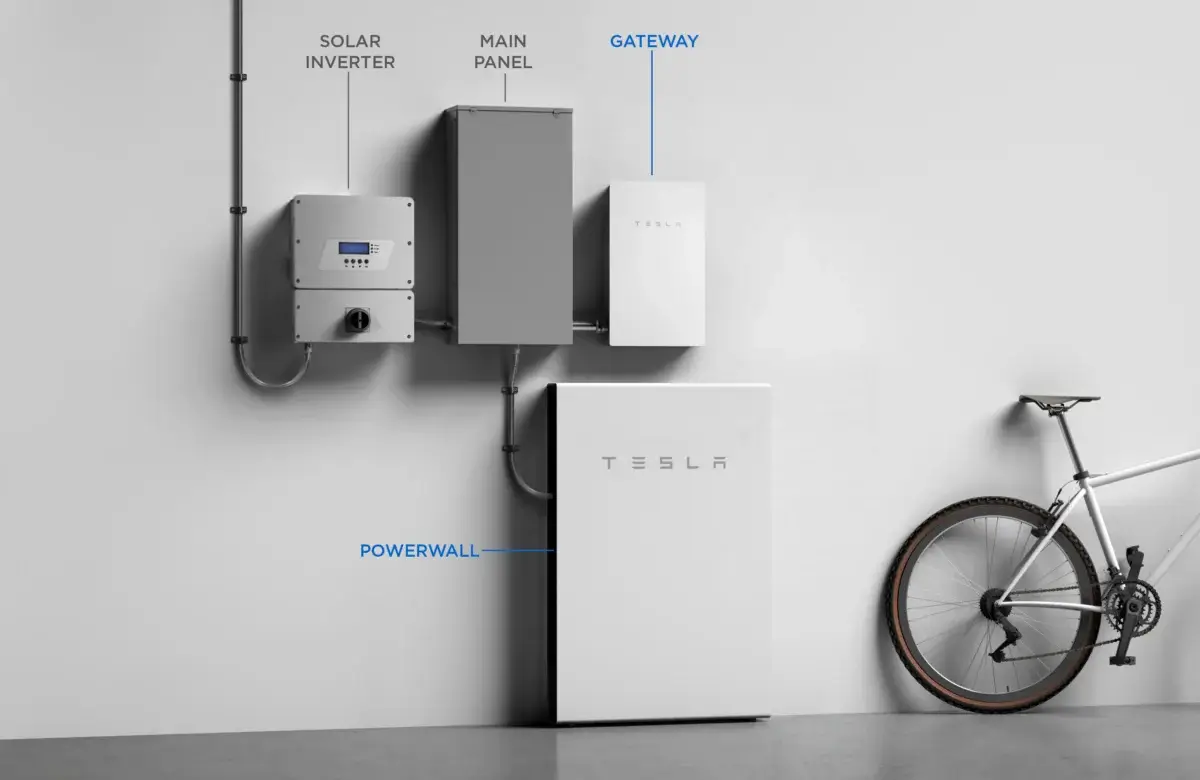
Tesla Powerwall is the top-shelf option with 13.5kWh capacity and a sleek look. It covers the whole house and works well with existing solar setups.
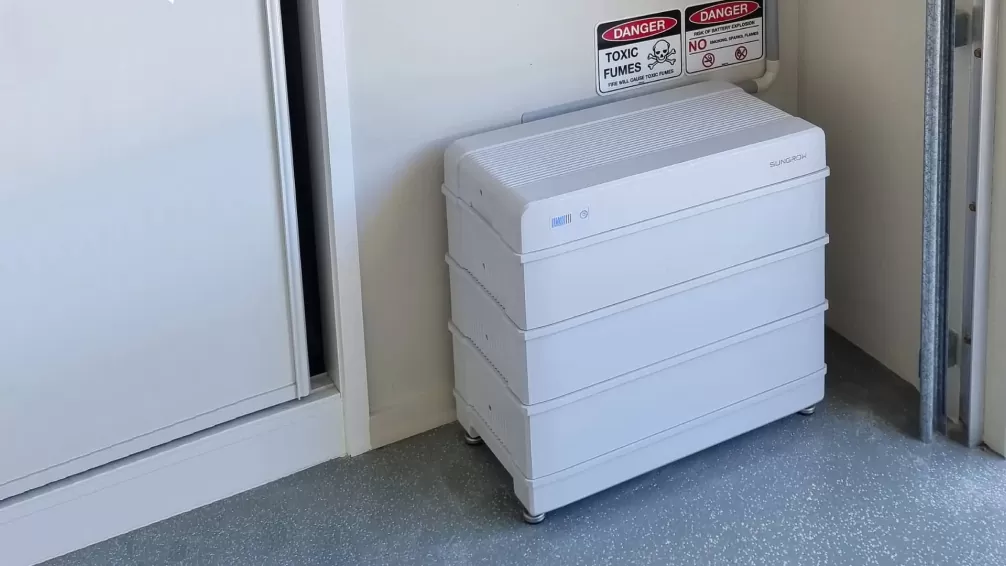
Sungrow batteries are great value and modular. The SBR series can grow from 9.6kWh up to 25.6kWh if your needs change.
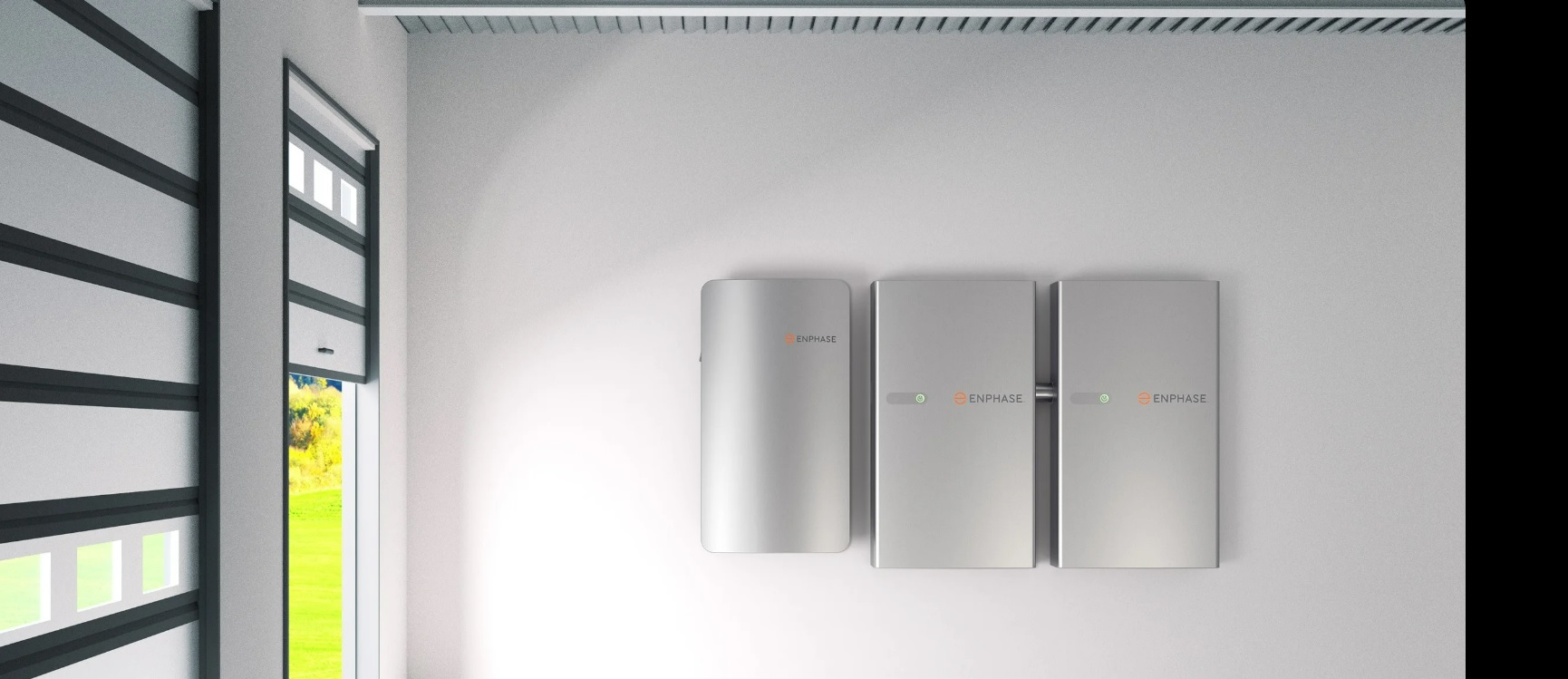
Enphase batteries work well with microinverter systems. They start at 3.36kWh and can be expanded in small steps.
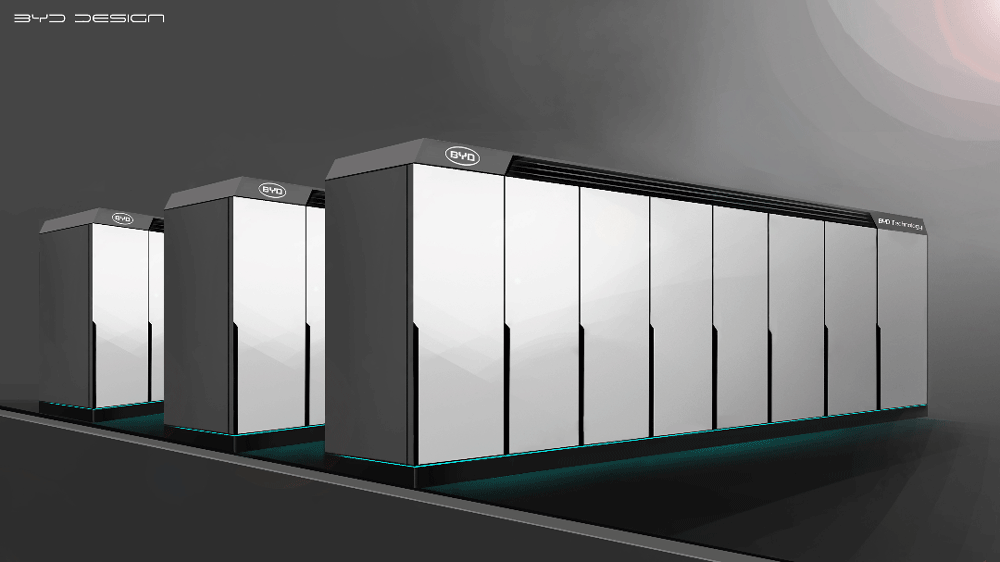
BYD batteries bring commercial-grade reliability to homes. Their LVS series lets you stack 4kWh modules for whatever size you want.
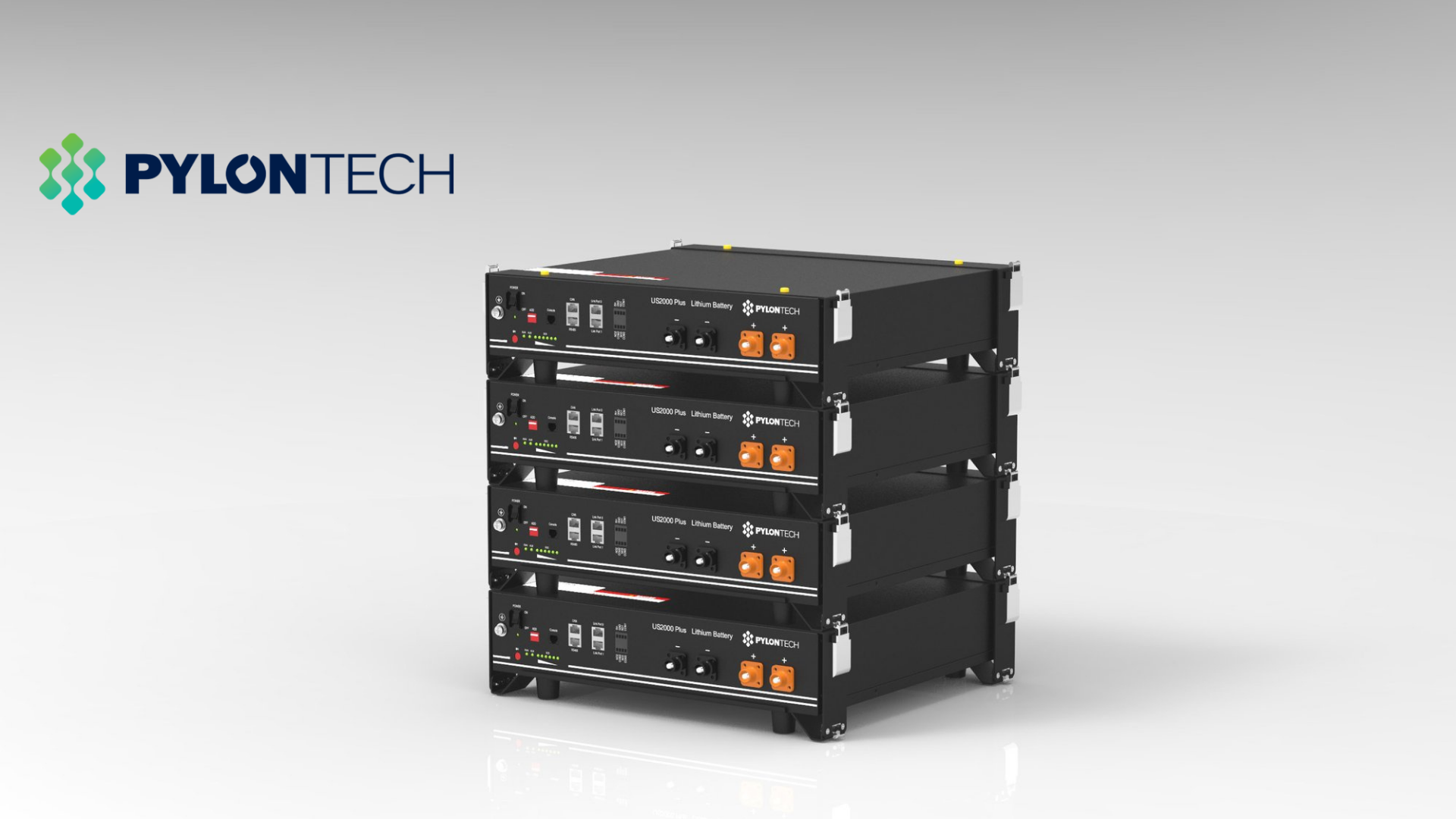
Pylontech batteries are budget-friendly and compatible with lots of inverter brands, so you get some flexibility.
Warranties differ, Tesla gives you 10 years, Sungrow can go up to 10 years depending on the model.
Understanding Solar Panel and Battery System Integration
AC-coupled systems use separate inverters for batteries, so you can add them to older solar systems pretty easily.
DC-coupled systems hook batteries straight into solar panels through a hybrid inverter. This setup's more efficient since it skips extra energy conversions.
Whether your current inverter is compatible will limit your battery choices. Sometimes, you'll need a specific brand to match your system.
Most modern setups come with monitoring via apps, so you can see how much you're generating, using, and storing in real time.
How your battery interacts with the grid depends on your settings. Time-of-use tariffs can nudge you to charge and discharge at the best times for savings.
Smart load management prioritises which circuits stay on if the power goes out. Some panels will automatically shut off non-essentials to stretch your battery life.
Additional Benefits and Considerations
Solar batteries on the Sunshine Coast aren't just about saving cash. They're also good for the environment and let you take part in new energy programs. Plus, they give you more say in how you use and share your excess power.
Reducing Carbon Footprint and Supporting Renewable Energy
Using batteries to store your own solar energy cuts your carbon emissions, no need to rely on grid electricity that often comes from coal, especially during peak times.
A typical 10kWh battery can help you avoid putting about 2-3 tonnes of CO2 into the atmosphere each year. That's just from replacing grid power with your own stored solar at night.
These systems support Queensland's push for 70% renewables by 2032 by easing strain on the grid and letting more clean energy flow when it's needed.
Environmental wins:
- Less fossil fuel reliance
- Smaller household carbon footprint
- Helping Queensland hit its renewable targets
- Lower peak demand on the grid
Participation in Virtual Power Plants (VPPs)
Virtual Power Plants give Sunshine Coast residents a way to earn extra income from their battery storage systems while helping keep the grid steady. Basically, VPPs link up a bunch of home batteries, turning them into a flexible network that can push electricity back to the grid when everyone's using a lot of power.
Right now, several VPP programs are running across Queensland. They usually pay between $300–800 per year if you let your battery join in. The programs handle battery discharge automatically during peak demand, and those events normally last just 1–2 hours.
Homeowners still get first dibs on their stored energy for their own needs. VPPs only tap into your battery if there's enough charge left for your evening use, so you don't have to worry about coming home to a flat battery.
VPP participation usually means you'll need:
- A battery inverter that works with the program
- Decent internet at home
- A battery that stores at least 5kWh
- Willingness to let the system manage discharge events automatically
Managing Excess Energy and Grid Interaction
Battery storage systems let you take charge of excess solar energy, energy that would otherwise get exported for a pretty underwhelming feed-in tariff. Right now, Sunshine Coast feed-in rates hover around 3-10 cents per kWh, while grid electricity can sting you for 25-35 cents per kWh during peak times.
Smart batteries pay attention to your household's habits and the going electricity rates. They'll soak up solar power during the day, then kick in and cover your usage when grid prices spike, usually somewhere between 4-9 PM. That's the sweet spot.
Modern battery systems come with time-of-use optimisation that actually learns how your home uses power. So, you're not just guessing, you've got stored energy ready if there's an outage, and you're squeezing the most value out of every kilowatt-hour.
And let's not forget, batteries can keep your essential circuits running if the grid goes down. With wild weather becoming more common around the Sunshine Coast, that kind of backup is starting to feel less like a luxury and more like a necessity.
Ready to explore solar battery storage for your Sunshine Coast home? Contact our team for a personalised assessment of your energy needs and potential savings. We'll help you determine if battery storage is the right investment for your situation and guide you through available government incentives and rebates.
Whether you're interested in residential solar, commercial solutions, or off-grid systems, we're here to help you make the most of Queensland's abundant sunshine.