

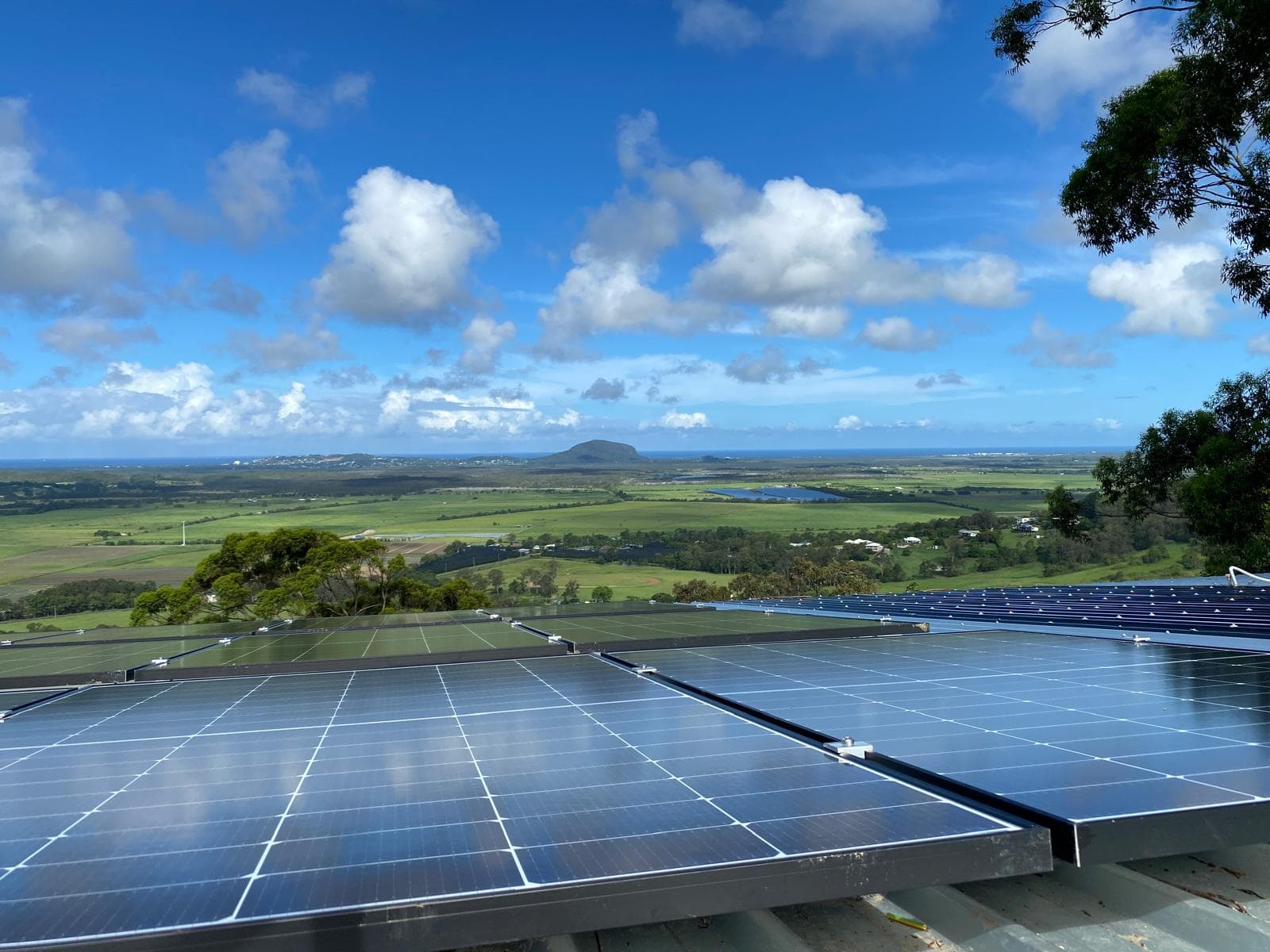
Solar battery storage is revolutionising how homeowners use and think about energy. With electricity prices continuing to rise across the Sunshine Coast and Queensland, more homeowners are considering adding battery storage to their solar systems or installing new solar-plus-storage systems.
This comprehensive guide will walk you through everything you need to know about solar batteries, from how they work to the financial considerations of installing them in your home.
How Solar Battery Storage Works
Solar batteries work by storing excess electricity generated by your solar panels during sunny periods for use when your panels aren't producing enough power (like at night or during cloudy weather). This helps maximise your solar system's effectiveness and can significantly reduce your reliance on grid electricity.
The typical flow of energy in a solar-plus-storage system is:
- Solar panels generate electricity from sunlight
- This electricity is used to power your home's immediate needs
- Any excess electricity charges your battery system
- Once the battery is full, additional excess power is exported to the grid
- When your solar panels aren't producing enough power, your home draws electricity from the battery instead of the grid
- If your battery is depleted, your home automatically reverts to using grid power
Types of Solar Batteries
Several types of battery technologies are available for residential solar storage:
Lithium-Ion Batteries
The most common type used in residential settings due to their high efficiency, long lifespan, and declining costs. Brands like Tesla Powerwall, LG Chem, and Enphase are popular lithium-ion options.
- Pros: High efficiency (90-95%), long cycle life (10+ years), compact size
- Cons: Higher upfront cost, thermal runaway risks (though safety measures are built in)
Lead-Acid Batteries
The most mature battery technology with a lower upfront cost.
- Pros: Lower upfront cost, established technology
- Cons: Shorter lifespan, lower efficiency, larger physical footprint, maintenance requirements
Flow Batteries
An emerging technology for residential use that offers promising advantages.
- Pros: Very long lifespan, deep discharge capability, no capacity degradation
- Cons: Lower efficiency, larger size, higher cost
Key Specifications to Consider
When evaluating solar batteries, pay attention to these important specifications:
Capacity (kWh)
This measures how much energy the battery can store. Most home batteries range from 5kWh to 15kWh. The average Queensland home uses about 15-20kWh per day, so your battery capacity should align with your usage patterns.
Power Rating (kW)
This indicates how much electricity the battery can deliver at once. A higher power rating means the battery can power more appliances simultaneously.
Depth of Discharge (DoD)
This specifies how much of the battery's capacity can be used before recharging is recommended. Higher DoD means more of the battery's capacity is usable.
Cycle Life
This refers to how many charge/discharge cycles the battery can complete before its capacity significantly degrades. Most quality lithium-ion batteries offer 4,000-6,000 cycles.
Warranty
Most solar batteries come with 10-year warranties, though the specific terms vary. Look for batteries with performance guarantees that ensure a minimum capacity throughout the warranty period.
Cost Considerations
The cost of solar battery storage has decreased significantly in recent years but still represents a substantial investment. On the Sunshine Coast, typical costs range from:
- Small system (5-6kWh): $5,000-$8,000 installed
- Medium system (10kWh): $10,000-$14,000 installed
- Large system (13-15kWh): $15,000-$20,000 installed
These prices include installation but can vary based on:
- Battery chemistry and brand
- System complexity
- Additional requirements (such as switchboard upgrades)
- Available incentives and rebates
Return on Investment
The ROI for solar batteries depends on several factors:
- Your electricity usage patterns (particularly evening usage)
- Your current feed-in tariff rate
- Your electricity rate
- Battery capacity and efficiency
- Available rebates and incentives
While the financial payback period for batteries is typically longer than for solar panels alone (usually 7-10 years), this timeframe is shortening as electricity prices rise and battery costs fall. Additionally, the value of energy security and independence is significant for many homeowners, especially in areas prone to outages.
For a deeper analysis of solar investment returns, read our article on The Real ROI of Solar: Beyond the Financial Returns.
Is Battery Storage Right for You?
Battery storage makes the most financial sense if:
- You have high electricity usage during peak evening hours
- Your feed-in tariff is significantly lower than your electricity purchase rate
- You experience frequent power outages and value backup power
- You aim to maximise your energy independence
- You can take advantage of available rebates or incentives
For those considering complete energy independence, check out our guide on Off-Grid Living on the Sunshine Coast.
Working with Keystones Energy Solutions
At Keystones Energy Solutions, we provide customised solar battery solutions based on detailed analysis of your energy usage patterns, goals, and budget. Our approach includes:
- Energy Assessment: We analyse your consumption patterns to determine optimal battery size
- System Design: We design a system that integrates seamlessly with your existing or new solar setup
- Quality Components: We use only tier-1 battery products with proven reliability
- Professional Installation: Our certified technicians ensure proper setup and integration
- Ongoing Support: We provide monitoring solutions and after-sales support
To ensure your system continues to perform optimally, don't miss our Essential Maintenance Tips for Solar Panel Systems.
Solar battery technology is evolving rapidly, and prices continue to decrease while capabilities improve. For most Sunshine Coast homeowners, the question isn't if battery storage will make sense, but when.
Ready to explore battery storage options for your home? Contact us for a free consultation and personalised quote tailored to your specific needs and energy usage patterns.