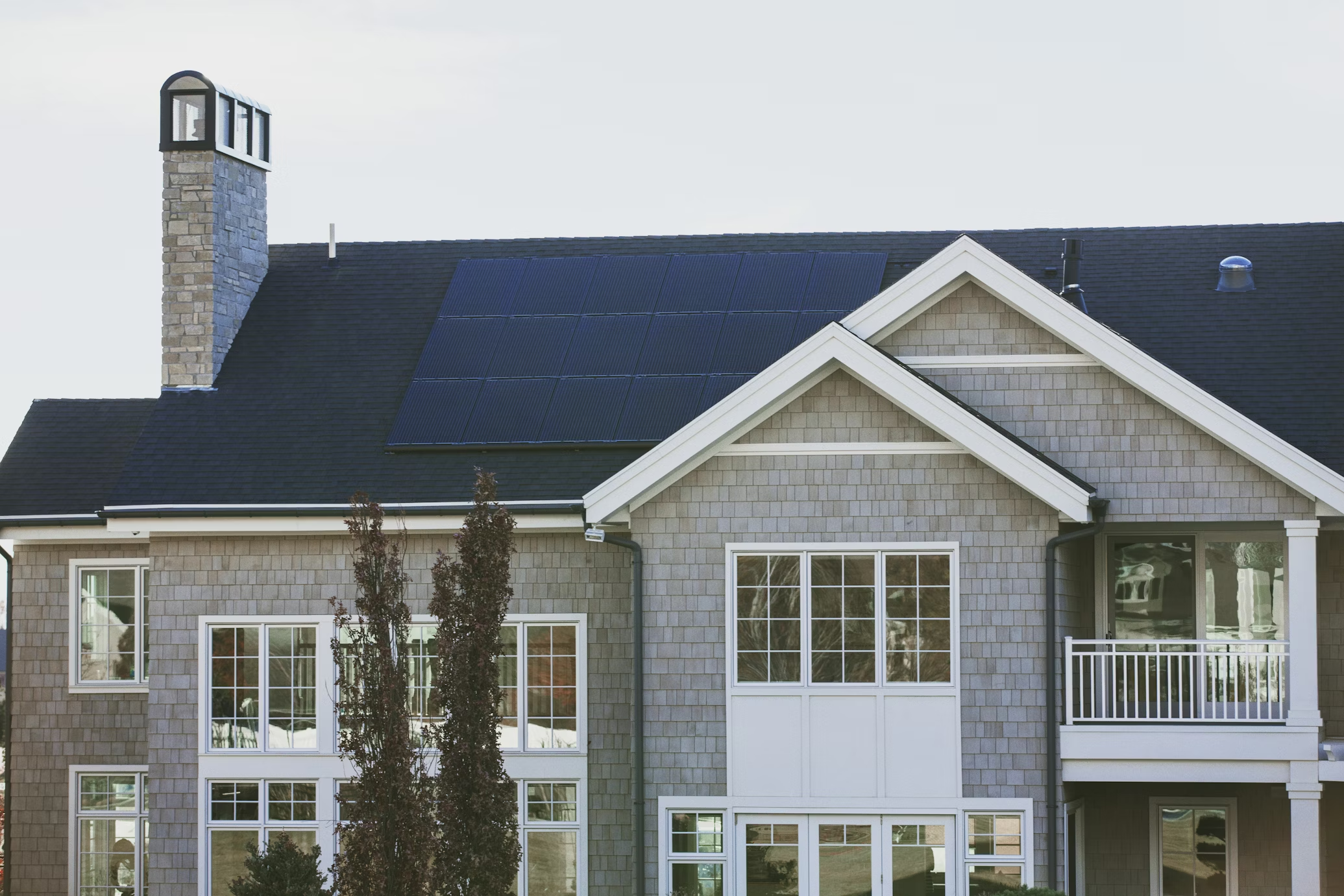

A few years ago a 6.6 kW system was the default answer for almost every house on the Sunshine Coast. That has changed. Feed-in tariffs have dropped, batteries have come down in price, air conditioners and EVs have moved in, and more people are asking us whether they should go straight to a 10 kW, 13 kW or even a 15 kW solar system.
The short answer: a 10 kW system is enough for most Sunshine Coast family homes, and it is the size we'd start the conversation at for a house planning a battery. A 12 kW to 15 kW solar system only earns its keep when you have the daytime or evening load to use the extra power, which usually means a battery, an EV, a pool, ducted air or a home business, and the network connection to support it. If none of those apply, the extra panels mostly produce surplus you export for a few cents.
This guide walks through how we actually decide between those sizes, what changes as you go bigger, and where the limits sit.
Last updated: 26 October 2026. Pricing is as at August 2026.
Is 10kW solar enough to run a house?
For most households, yes, with one big caveat: solar only runs your house while the sun is up.
A 10 kW array on a decent Sunshine Coast roof will cover the daytime load of a normal family home, run the dishwasher and washing machine, keep a split system going through a summer afternoon, and still push surplus out to the grid. Our residential page puts it simply: most homes benefit from a 6 to 10 kW system. Ten kilowatts is the top of that normal range, not an extravagance.
What 10 kW can't do on its own is run the house at 8pm. Once the sun drops, every system of every size is back on the grid, unless there's a battery to carry the evening. That's why "is 10 kW enough?" is really two questions:
- Is it enough to cover what I use during the day? For most homes, comfortably.
- Is it enough to cover the day and fill a battery for the night? For a typical home with a 10 kWh battery, usually yes. For a big house with a 15 kWh-plus battery, an EV or a pool pump running overnight, this is where 12 to 15 kW starts to make sense.
A typical Sunshine Coast home only self-consumes 30 to 50% of what its solar makes. The rest goes to the grid at roughly 3 to 12 cents per kWh, and you buy power back in the evening at roughly 25 to 35 cents. Adding panels without adding a way to use them just increases the share you sell cheaply.
10kW vs 12kW vs 13kW vs 15kW at a glance
| System size | Who it usually suits | What has to be true for it to pay |
|---|---|---|
| 10 kW | Most family homes, especially with a battery planned | Enough roof space; daytime use or a battery to soak up surplus |
| 12 kW | Larger homes with a 10 to 15 kWh battery, or a home office running all day | Network allows the inverter size on your connection; real evening load |
| 13 kW | Similar to 12 kW; often what fits a particular roof layout | As above; usually a roof-geometry decision more than a planning one |
| 15 kW | Big homes with ducted air, pool, EV charging, or a large battery | Usually three-phase supply; enough load to use the output |
Notice the 12 kW and 13 kW rows are almost the same. In practice those numbers are often just what fits on a roof once we've laid panels out around vents, skylights and shading. Nobody should be selling you "13 kW" as a magic size.
What does a 10kW vs 15kW solar system cost on the Sunshine Coast?
As at August 2026, a 10 kW system on the Sunshine Coast lands between $8,000 and $11,000 installed, with the federal STC discount already deducted. For comparison, a 6.6 kW system lands between $5,000 and $7,000.
For 12 kW, 13 kW and 15 kW systems we don't publish a band, and you should be wary of anyone who does without seeing your house. Price scales with size, but it doesn't scale in a straight line, because bigger systems are where the variables start to bite:
- Phase supply. A large system on a single-phase connection may need a different inverter arrangement, or may not be approved at the size you want. On three-phase it's usually simpler.
- Inverter choice. Going past a certain size often means a larger or three-phase inverter, or a hybrid if a battery is part of the plan.
- Roof layout. Multiple roof faces, a second storey or tilt frames add labour.
- Switchboard. Older boards often need upgrading to take a bigger system safely.
The STC discount also scales with system size, so a bigger system attracts a bigger point-of-sale discount. That's built into every quote rather than something you claim later. The full breakdown of what drives the price is in our guide to solar panel cost on the Sunshine Coast.
The honest rule: we quote 12 to 15 kW systems individually, after a site visit, because a phone estimate on a big system is a guess.
The network question: single-phase vs three-phase
This is the part that decides more 15 kW conversations than anything else.
Energex (and Ergon in regional Queensland) set rules on how much inverter capacity a home can connect and how much it can export, and those rules are tighter on a single-phase connection than on three-phase. Plenty of older Sunshine Coast houses are single-phase. Many newer builds, and homes with a pool plus ducted air, are often three-phase.
What that means in practice:
- On single-phase, a 10 kW array is often very workable. Going to 13 or 15 kW of panels may be possible with a smaller inverter (oversizing the array relative to the inverter is common and normal) or with export limiting, but what's allowed at your address is confirmed when we submit the network application, not before.
- On three-phase, 15 kW is a far more straightforward design, and three-phase hybrids handle large batteries well.
We're deliberately not quoting kilowatt limits here, because network rules get revised and they depend on your connection. The detail is in our explainer on single-phase vs three-phase solar. If someone promises you a 15 kW single-phase system with full export before they've applied to the network, ask them to put that in writing.
When a 15kW solar system genuinely makes sense
We'll happily install a 15 kW system when the house can use it. The households where it pays are pretty consistent:
- Battery of 15 kWh or more. A battery can only store surplus. A big battery on a small array sits half-empty, especially through winter. A 15 kW array keeps a big battery full on most days.
- EV charging. An EV is one of the biggest new loads a house can take on. Charging it from midday sun is the cheapest kilowatt-hours you'll ever buy.
- Ducted air and a pool. Both run hard in the hottest part of the day, which lines up beautifully with peak solar.
- People home all day. Retirees, home offices and home businesses use far more of their solar directly, so every extra panel has somewhere to go.
- Planned electrification. Swapping gas hot water or a gas cooktop for electric shifts load into the daytime.
When it doesn't
Equally, here's when we talk people down from 15 kW:
- Out at work all day, no battery, no plans for one. Most of the extra output gets exported at a few cents. A smaller system pays back faster.
- Limited, shaded or multi-face roof. Squeezing panels onto poor faces buys you less than the number on the quote suggests.
- Single-phase with tight export rules and no battery. You may be paying for panels whose output is limited.
- Selling within a couple of years. Spend less, or spend it on something the next owner will value.
More panels or a bigger battery?
This comes up on nearly every quote for a big system. The short version: a battery can only store what the panels have spare, so the array has to come first. If your evening use is high and your array is small, adding panels is often the better first dollar. If you're already exporting a lot every day and buying it back at night, the battery is the better spend.
We've written that out properly in more solar panels or a bigger battery.
How we size it on your house
We don't size from a headline number. We size from:
- Twelve months of interval data from your retailer, so we can see when you use power, not just how much.
- Roof faces and shading, because a north face and a west face don't produce the same thing at the same time.
- Your connection, single or three-phase, and what the network will approve.
- The plan for the next five years. A battery, an EV, a pool, a granny flat. Sizing the array for those now is cheaper than adding panels later.
If you want to do a first pass yourself, our guide to how many solar panels you need shows the method. Panel count is simply system size divided by the panel rating. As an illustration only: with panels rated at 440 W, a 10 kW system is about 23 panels (10,000 ÷ 440) and a 15 kW system about 34 (15,000 ÷ 440). Your actual count depends on the panel model quoted.
When you're ready, our residential solar installation process starts with exactly that assessment.
Frequently asked questions
Is 10kW solar enough to run a house?
For most Sunshine Coast family homes, yes, during daylight. A 10 kW system covers normal daytime use and leaves surplus to export or to charge a battery. What it can't do is run the house after dark on its own. For that you need a battery, and if the battery is large or you have an EV, a bigger array may be worth it.
How much does a 10kW solar system cost on the Sunshine Coast?
As at August 2026, between $8,000 and $11,000 installed, with the federal STC discount already deducted. Roof layout, switchboard condition and inverter choice move you within that band.
How much does a 15kW solar system cost?
There's no honest single figure. Price scales with size, but phase supply, inverter choice, roof complexity and switchboard work all matter more on a big system. We quote 12 to 15 kW systems individually after a site visit, with the STC discount itemised.
Can I put a 15kW solar system on single-phase power?
Sometimes, but it depends on what Energex or Ergon will approve for your address, which inverter is used and whether export is limited. That's confirmed in the network application, not on a phone call. Three-phase homes have a much easier time with 15 kW.
Is it better to have more solar panels or a bigger battery?
Panels first, in most cases. A battery can only store your surplus, so if the array is small, a bigger battery just sits partly empty. Once you're exporting plenty during the day and buying power back at night, adding battery capacity becomes the better spend.
Should I get a 12kW or 13kW system instead of 10kW?
Only if you have the load to use it or a battery to fill. The difference between 12 and 13 kW is usually just what fits on your roof. The real question is whether you need more than 10 kW at all, and that comes down to your evening use and your plans.