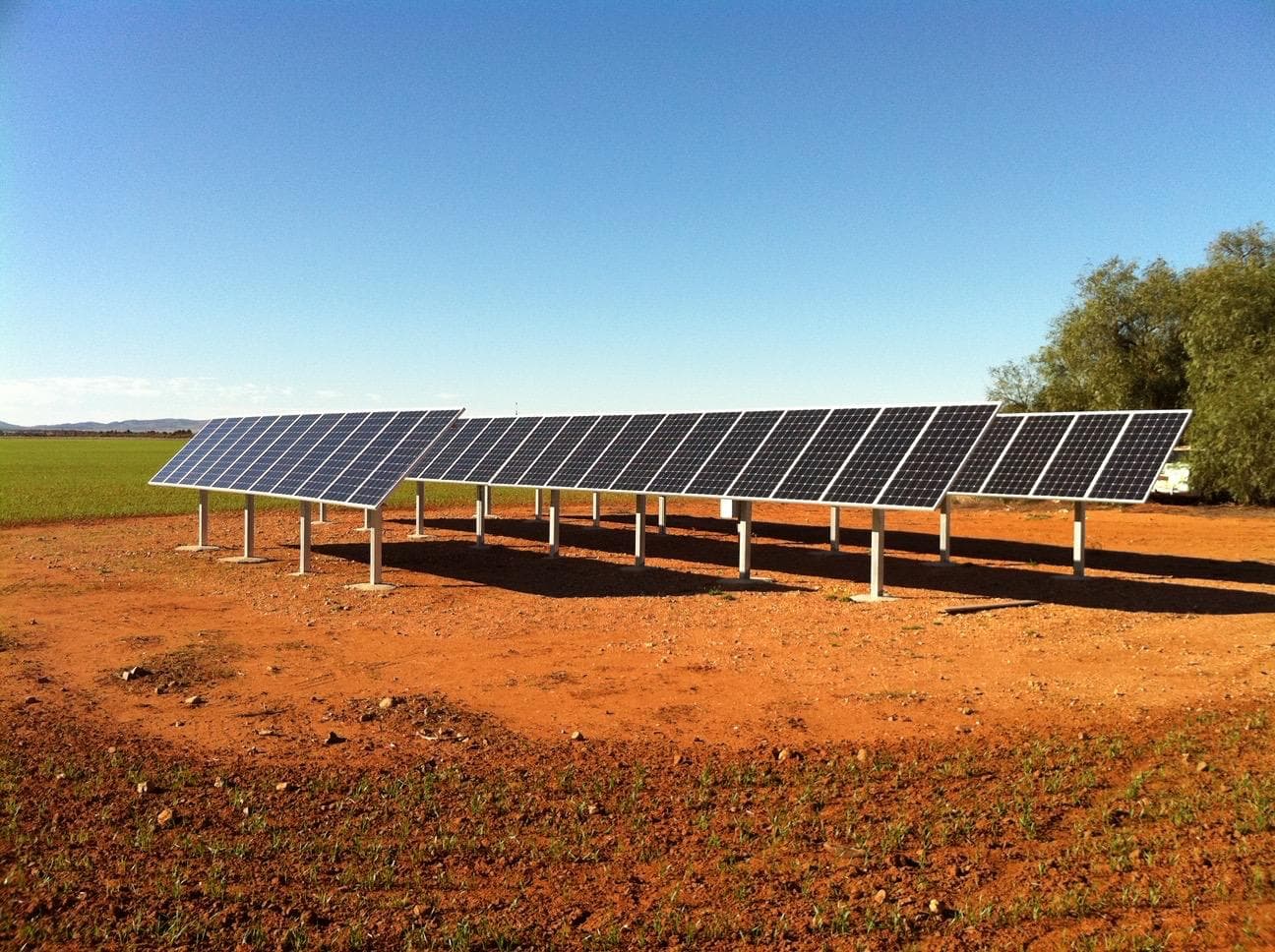
Putting solar on a suburban house on the coast and putting solar on a 20-acre block out past Gympie are two different jobs. Same panels, same inverters, completely different design questions. On the rural block, we're asking about bore pumps, sheds, how often the power drops out, where the flood line sat last time, and whether the grid is even the right answer.
I've been designing standalone and rural systems for most of my eighteen years in solar, and it's still the work I enjoy most, because it's where getting the design right matters most.
Solar for a rural property works best when it's designed around the property's real loads (pumps, sheds, workshops) and the quality of its grid supply, not around a standard household profile. If you're already connected, a grid-connected hybrid system with a battery is usually the best value: it cuts bills and keeps essentials running through the outages that long rural feeders are prone to. Going fully off-grid tends to make sense on new builds or blocks where a grid connection would be expensive or impractical, and it needs to be sized for your worst run of weather, not an average day.
Are you on the Energex or Ergon network?
Queensland has two main distribution networks, and which one you're on affects connection rules and your feed-in tariff options.
- Energex is the distributor for South East Queensland.
- Ergon Energy is the distributor for regional Queensland (or Origin, if you're connected to the Essential Energy network) (qld.gov.au).
Our service area, including the Sunshine Coast hinterland and Gympie, connects to the Energex network. Further west and north, into regional Queensland, it's Ergon. Your electricity bill or connection paperwork will name your distributor if you're not sure.
It matters for two reasons:
Feed-in tariffs work differently. In South East Queensland, retailers set their own market feed-in tariffs. Outside SEQ, eligible Ergon Energy Retail and Origin customers can access a flat-rate regional solar feed-in tariff (qld.gov.au). We don't quote a rate here because it's reviewed regularly; check the current figure with your retailer.
Connection and export rules are set by the network. How large a system you can connect, and how much you can export, depends on the network's rules and the capacity of the line at your address. Rural lines can be more constrained than suburban ones. We don't guess a number for this; it's confirmed when the connection application is lodged, and we handle that application.
Long feeders, outages and the case for a hybrid system
Properties at the end of long rural feeder lines see outages and supply quality problems that town customers don't. That's the most common reason rural clients ask us about batteries, and it's a better reason than payback arithmetic.
There's a catch that surprises a lot of people. A standard grid-connected solar system shuts down when the grid goes down. It's a safety requirement so your panels don't feed power into a line that a crew might be working on. So on a sunny day with the power out, a solar-only system leaves you with nothing.
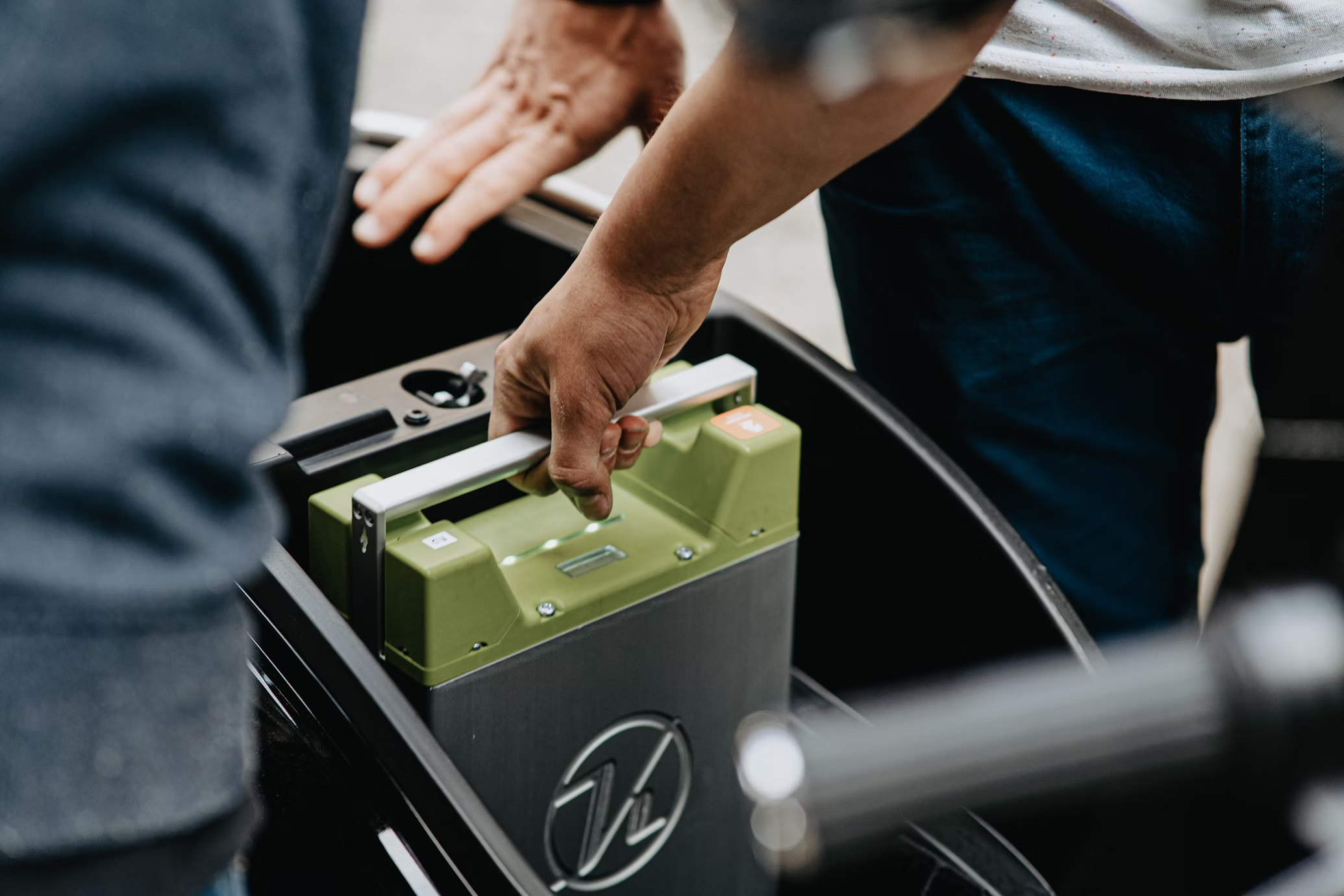
A hybrid inverter with battery storage changes that. When the grid drops, it isolates the property, forms its own small grid and keeps your nominated circuits running. Through the day, the panels keep recharging the battery, which turns a few hours of backup into multi-day resilience during storm season. On rural blocks, the backed-up circuits often include the bore pump along with the fridge, lights, power points and internet.
Rural lines can also have voltage problems. When the network voltage at your connection point runs high, inverters are designed to back off or trip, and you lose generation without realising. If your inverter regularly shows grid overvoltage faults, that's worth investigating rather than ignoring; we record the readings and raise them with the network.
A hybrid system is also the natural upgrade path if you later decide to go fully off-grid.
Solar bore pumps and irrigation
Pumping is one of the best uses of solar on a rural property, because it's usually a flexible load. You don't need to pump at 7pm; you can pump at noon.
There are two common approaches.
1. Run the pump from your main solar system during the day. If your house or shed system has a decent array, setting bore and irrigation pumps to run in the middle of the day turns your own generation into water in the tank instead of a small export credit. This needs the inverter sized to handle the pump's starting surge, which can be well above its running draw.
2. A dedicated solar pump system. A pump with its own panels and controller, often running with no battery at all: it pumps when the sun's up and stops when it isn't. The tank is the storage. For a remote bore or a stock water point far from the house, this is often simpler and cheaper than running cable from the main system.
Which suits you depends on how far the bore is from the house, the pump type and size, how much water you need and when, and whether the pump also needs to run during outages. Tell us what's on the property and what runs at the same time, and we'll size around the loads you actually have.
Solar for farms, sheds and workshops
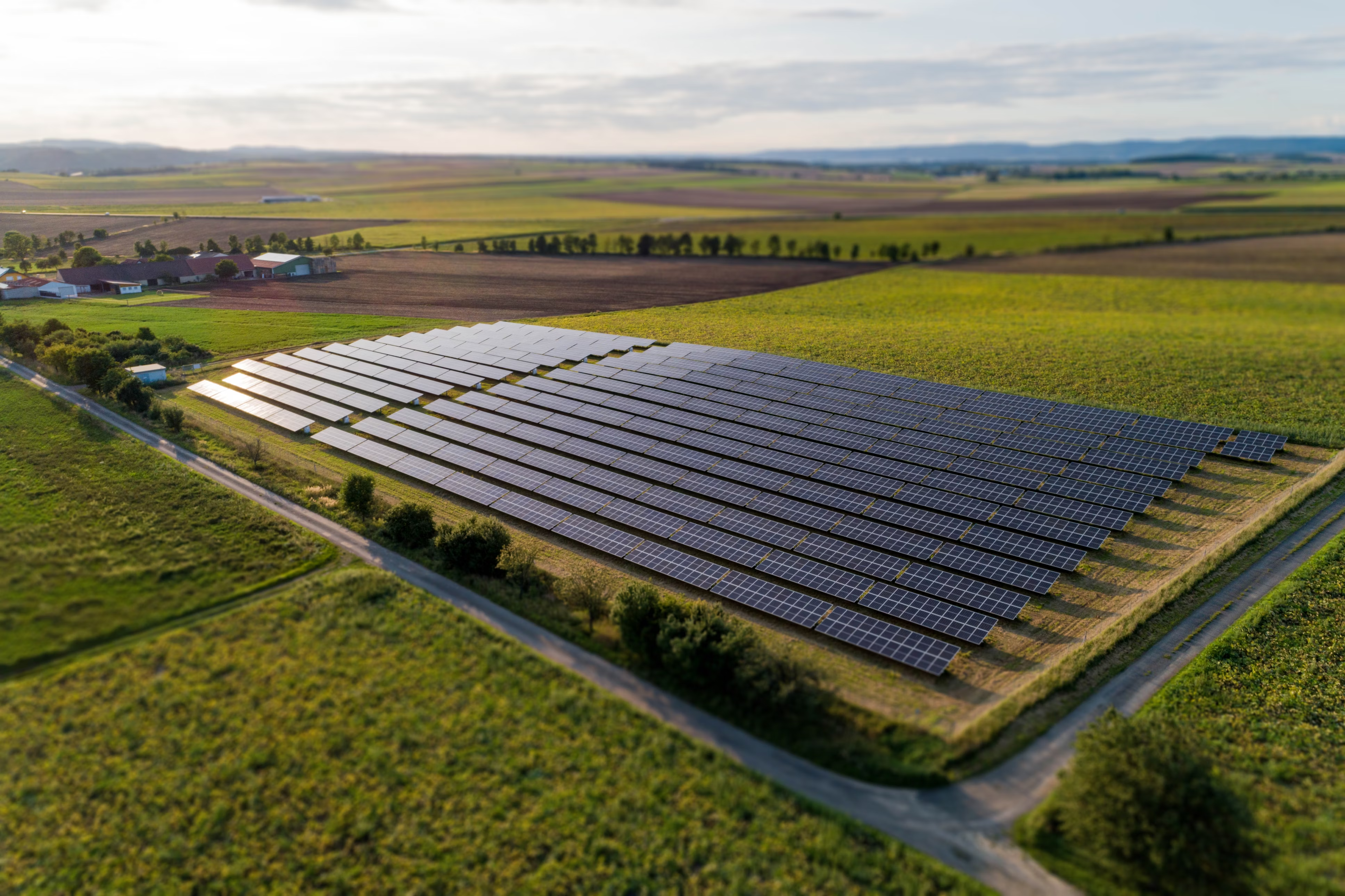
Rural properties usually have more usable roof than a coastal block, often a machinery shed or workshop on top of the house roof. That opens up larger arrays and different layouts, including splitting an array across two buildings to spread generation through the day.
A few things change the design on farms and acreage:
- Heavy intermittent loads. Compressors, welders, cool rooms and pumps draw hard and in bursts. That affects inverter choice more than total daily usage does.
- Three-phase supply. Many farms and larger rural properties are three-phase, which opens up larger inverters and changes how backup works. Our guide to single vs three-phase solar explains the differences.
- Cable runs. Long runs between sheds and the main switchboard add cost and voltage drop, and need to be sized properly.
- Flood history. Gympie has a long flood history along the Mary River, and electrical gear doesn't tolerate water. On flood-prone properties we put inverters, isolators, batteries and switchboard work high and clear rather than at convenient waist height, and we ask about past water levels before choosing a spot.
Off-grid vs grid-connected on a rural block
| Grid-connected (with or without battery) | Hybrid (grid plus battery backup) | Fully off-grid | |
|---|---|---|---|
| Best for | Reliable supply, bill reduction | Existing connections with outages | New builds or blocks where a connection is impractical |
| Power during outages | None without a battery | Nominated circuits stay on | Not affected by the grid |
| Sizing basis | Daytime usage and bills | Evening use plus backup needs | Your worst week of weather |
| Battery needed | Optional | Yes | Yes, substantial |
| Backup generator | No | Usually not | Generally recommended |
| Ongoing grid bills | Yes | Yes, reduced | None |
| Maintenance | Low | Low | Higher: battery monitoring, generator servicing |
When does off-grid beat a new grid connection?
Disconnecting a property that's already on the grid is rarely the cheapest option. Going standalone means sizing for your worst run of weather, not an average day, which means a much larger array, substantially more storage and usually a generator as backup.
Off-grid makes real sense on:
- new builds where the nearest line is a long way off
- blocks where the network's connection quote is high, which on remote sites can run into the tens of thousands
- sheds, cabins and secondary dwellings where running power from the grid isn't practical
- properties where you'd be paying for a long line extension that only serves you
The honest approach is to get the network's connection quote first, then compare it with an off-grid design for the same loads. We'd rather talk you out of an undersized off-grid system than sell you one.
As a guide (as at August 2026), off-grid systems typically range from $20,000 to over $100,000 depending on your energy needs, battery capacity and backup systems, and most residential off-grid homes need 20 to 40 kWh of storage for two to three days of autonomy. Our guide to off-grid solar system cost in Queensland breaks that down, and our off-grid battery sizing guide explains how storage is worked out.
Does the federal battery rebate apply off-grid?
It can. Under the Cheaper Home Batteries Program, on-grid batteries must be VPP-capable, but off-grid systems more than 1 km from the grid don't need to be VPP-capable to be eligible (Clean Energy Regulator). Other eligibility conditions still apply, including a new battery and an accredited installer. We confirm eligibility for your specific system when we quote.
Choosing an installer for a rural property
The government's own advice for regional buyers is to pick a solar retailer or installer as close to you as possible, because local businesses rely on word of mouth and are more readily available for follow-up service (energy.gov.au). On rural systems that matters more than usual. A battery or off-grid system that needs a firmware update, a generator setting change or a fault call is no good if your installer is three hours away.
We're based at Cooroibah and work across the Sunshine Coast, the Noosa hinterland and the Gympie region, roughly 80 km in any direction from the workshop. Gympie and the northern hinterland are among our closest and fastest-response areas. More on how we approach acreage, off-grid and flood-aware installs is on our solar Gympie page.
If you're weighing up off-grid or hybrid for a rural block, start with our off-grid solar systems page, or get in touch with a list of what's on the property and we'll work through it with you.
Frequently asked questions
Is solar worth it on a rural property?
Usually, yes, often more than in town. Rural properties tend to have more roof space, flexible daytime loads like pumping, and more frequent outages that make a battery genuinely useful. The design just needs to be built around the property's actual loads and supply, not a suburban template.
Can solar run a bore pump?
Yes. Either run the pump from your main solar system during the middle of the day, or use a dedicated solar pump system with its own panels, where the water tank acts as the storage. Pumps draw a large surge when starting, so the inverter or controller needs to be sized for it.
Should a rural property go off-grid or stay grid connected?
If you're already connected, staying connected with a hybrid battery system is usually better value, because off-grid requires sizing for your worst weather and usually a generator. Off-grid tends to win on new builds or remote blocks where a new connection would be very expensive. Get the network's connection quote and an off-grid design for the same loads, then compare.
Is Gympie on the Energex or Ergon network?
Gympie and the Sunshine Coast hinterland are on the Energex network. Ergon Energy is the distributor for regional Queensland further out. Your bill or connection paperwork will confirm which network you're on.
Can I get the battery rebate on an off-grid system?
Often, yes. Off-grid systems more than 1 km from the grid don't need to be VPP-capable to qualify for the federal Cheaper Home Batteries Program, but other conditions apply. We confirm eligibility when we quote.
Will my solar work during a blackout on a rural property?
Only if you have a battery set up for backup. A standard grid-connected system shuts down when the grid does, for safety reasons. A hybrid inverter with a battery keeps your nominated circuits, often including the bore pump, running until the grid returns.