Off-grid is the part of solar we enjoy most, and it's also the part where the gap between a glossy kit price and a system that actually keeps the lights on through a wet week is widest. If you're pricing up a block in the Noosa hinterland, a farm out past Gympie or a new build where the power poles stop a long way short, this is what it really costs and why.
How much does an off grid solar system cost?
A complete off-grid solar system for a Queensland home typically costs anywhere from $20,000 to $100,000 or more, as at 2026, depending on how much power you use, how many days of battery backup you want, and whether a generator is part of the design. Most full-time residential off-grid homes need around 20 to 40 kWh of battery storage to ride through two to three days of poor weather. Small cabins and tiny homes sit at the bottom of the range; large homes, farms and remote businesses sit at the top.
That's a wide range, and it should be. Off-grid systems are sized for your worst week, not your average day, and everyone's worst week looks different.
What drives off-grid solar costs
Five things decide where your system lands in that range.
1. Your daily energy use
Everything starts here. A tiny home with gas cooking and a small fridge might use a fraction of what a family home with an induction cooktop, ducted air conditioning and a pool pump does. Every kWh you use each day has to be generated on the roof and stored in the battery, so halving your daily use roughly halves the size of what you need.
That's why we start every off-grid job with an energy audit. Swapping a handful of power-hungry appliances before you build is almost always cheaper than buying the extra panels and batteries to run them.
2. Days of autonomy (the battery)
"Autonomy" means how many days the battery can carry the house with little or no sun. On the Sunshine Coast and hinterland, that's the run of grey, wet days in summer storm season or a stubborn winter cloud band.
Most residential off-grid systems we design need 20 to 40 kWh of storage for two to three days of autonomy. Batteries are the single biggest line item in most off-grid quotes, so this is where the budget conversation really happens. More days of autonomy means more battery; fewer days means you lean harder on a generator.
Our guide to off-grid battery sizing walks through the arithmetic in detail.
3. Generator backup
We generally recommend a backup generator on most off-grid systems. It's not admitting defeat. It's what lets you size the battery for two or three days instead of five, which can save a lot of money. A well-integrated generator starts automatically when the battery drops below a set point, charges it back up, and shuts itself off.
The generator itself, its fuel, its servicing and the integration all go in the budget.
4. The inverter-charger
An off-grid inverter is a different beast from a grid-connect one. It has to create the AC supply for the whole property, handle the surge when a pump or compressor starts, manage the battery, and talk to the generator.
We install Selectronic and Victron for off-grid work. Selectronic's SP PRO range is designed and manufactured in Australia, and runs from 3 kW to 20 kW continuous per individual model, with multiple units able to be combined across three phases for big sites. We go deeper in our Selectronic SP PRO review.
5. Distance from the grid, and the site itself
This one cuts both ways. If a grid connection quote for your block runs into tens of thousands of dollars, off-grid can be the cheaper option from day one. On the other hand, remote sites cost more to install on: travel, access, longer cable runs, ground-mounted arrays, trenching and sheds to house the batteries all add up.
Off-grid system sizes and what they suit
These are the three broad builds we design. Every one is customised, so treat them as starting points.
| System | Solar array | Battery storage | Suits |
|---|---|---|---|
| Starter off-grid | 5–10 kW | Around 10 kWh | Cabins, tiny homes, weekenders, basic needs |
| Complete home | 10–15 kW | 20–30 kWh | Full-time residences, with backup generator integration and a full-home inverter |
| High-capacity | 15–30 kW and up | 40–100 kWh, scalable | Large properties, farms, remote businesses, three-phase power, multiple backup sources |
The overall cost range for these runs from around $20,000 at the small end to $100,000 or more for high-capacity systems. We price each one on an energy audit and a site visit rather than a phone call, because the variables above swing it too far to guess.
What about a 40 kW off grid solar system?
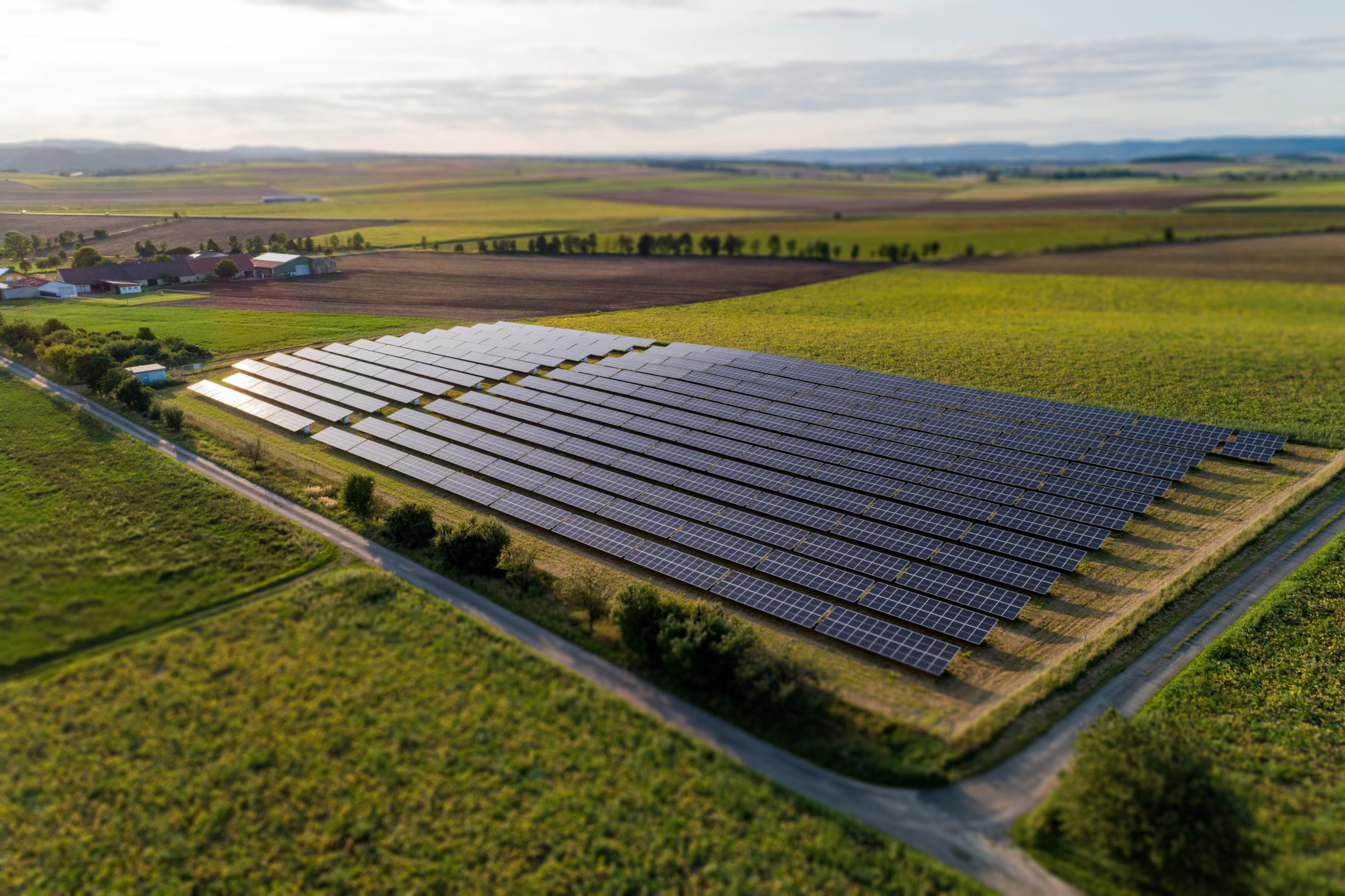
A 40 kW off-grid array is a big system. That's commercial and farm territory: a large homestead with workshops and sheds, irrigation pumps, a remote business, or several dwellings on one property. It sits in our high-capacity bracket, and at that size you're nearly always looking at three-phase power, 40 to 100 kWh of scalable battery, and more than one backup source.
If you've seen a "40 kW off grid kit" priced online, check what's in the box. An array that size is only useful with a battery bank and inverter capacity to match, plus the engineering, mounting and cabling to install it safely. The panels are the cheap part.
Can you go completely off-grid with solar in Australia?
Yes, and plenty of Queenslanders do. A properly designed system will run all the normal appliances in a home. The honest caveats:
- You become your own power company. Monitoring, maintenance and the occasional generator service are on you (or on whoever you pay to look after it).
- Energy-efficient appliances matter much more. High-draw items like electric heating, air conditioning and pool pumps need careful thought and can push the system size up a lot.
- Disconnecting an existing grid-connected home is rarely the cheapest move. Going off-grid makes most sense on new builds and rural blocks where connecting to the grid is expensive. If you're already connected, a battery with backup often gets you most of the resilience for a fraction of the cost.
If you want a sense of the lifestyle side of it, we've written about off-grid living on the Sunshine Coast.
How much solar do you need to be completely off-grid?
There's no one number, but the method is consistent:
- Work out your daily energy use in kWh, from bills at your current place or an appliance-by-appliance audit for a new build.
- Size the battery for that daily use multiplied by the days of autonomy you want, allowing for the depth of discharge the battery is designed for.
- Size the array to cover the daily use and recharge the battery during the shortest, cloudiest days of the year, not the sunny average. Winter is the design point.
- Size the inverter for the biggest combination of loads that will run at once, including the start-up surge from pumps and compressors.
- Add a generator to cover the stretches that go past your autonomy days.
As a reference point, the systems in our "complete home" bracket pair a 10 to 15 kW array with 20 to 30 kWh of storage. That's a starting point for discussion, not a sizing rule.
Off grid solar kits and DIY systems
We get asked about this a lot, so here's the straight answer.
Anything connected to 240V wiring in a building has to be done by a licensed electrician in Queensland. That includes the inverter's AC output, the switchboard, and the house circuits. On top of that, working on the DC side of a solar array is licensed electrical work in Queensland. A kit doesn't change that; it just means you've bought the parts.
Where DIY kits genuinely make sense is small extra-low-voltage setups: a 12V system in a caravan, a camper, a camping setup, or a shed with a few lights and a phone charger. That's a different world from powering a house.
For a home, the problems with a DIY kit are practical too:
- Sizing. Kits are sized for an average customer, not your loads and your worst week.
- Warranties. Manufacturer warranties commonly depend on a compliant installation.
- Federal discounts. Rebates and certificates can only be claimed through a Clean Energy Council accredited installer.
- Safety and insurance. Improper installation can be dangerous, and a non-compliant install can put your warranties and insurance cover in question.
Buy the kit for the caravan. Get the house designed.
What are the disadvantages of an off-grid solar system?
We'd rather you heard these from us now:
- Upfront cost. Even at the low end, off-grid costs more than a grid-connected solar system, because you're paying for storage and backup the grid would otherwise provide.
- Sizing for the worst week. You buy capacity you won't use most of the year, so you have it when you need it.
- Maintenance. Off-grid systems need more looking after than grid-tied ones: battery monitoring, generator servicing, inspections and, for some battery types, equalisation charging.
- Battery replacement. Batteries don't last forever. Modern lithium (LiFePO4) batteries are typically expected to give 10 to 15 years of service, and the replacement needs to be budgeted.
- Living with limits. In a long run of bad weather you'll either run the generator or go easy on the big loads. Most off-grid households find this becomes second nature, but it's a change.
- No grid to fall back on. If something fails, there's no backup supply except what you've designed in. That's why we build redundancy into our systems and set up remote monitoring.
How we price an off-grid system
- Energy audit and needs assessment. Your loads, your lifestyle, your site conditions.
- Custom design. Array, battery, inverter, generator and switchboard, sized to your worst-case conditions.
- Written quote, with brands and model numbers, and an honest conversation about where you can trim.
- Install, test and training, so you know how to read the system and what to do when the weather turns.
Off-grid design has been a specialty for most of my 18-plus years in the industry, and it's a big part of what we do across the hinterland and the Gympie region. Start with our off grid solar system page, or get in touch for a site visit.
Frequently asked questions
How much does it cost to install an off-grid solar system?
As at 2026, a complete off-grid solar system in Queensland typically costs between $20,000 and $100,000 or more. Where you land depends on daily energy use, battery days of autonomy, whether a generator is included, the inverter, and how hard the site is to build on. Small cabins sit at the bottom of the range; large homes, farms and remote businesses at the top.
Can you go completely off-grid with solar in Australia?
Yes. A properly designed off-grid system with enough battery storage and a backup generator can run a normal home full time. It makes the most sense on new builds and rural properties where a grid connection is expensive. Disconnecting an already-connected home is rarely the cheapest way to get resilience.
How much solar do I need to be completely off-grid?
Enough to cover your daily use and recharge the battery during the shortest, cloudiest days of the year. Most full-time residential systems we design use 20 to 40 kWh of battery storage for two to three days of autonomy, typically paired with a 10 to 15 kW array for a complete family home. The exact figure comes from an energy audit.
What are the disadvantages of an off-grid solar system?
Higher upfront cost, sizing for your worst week rather than an average day, more maintenance than a grid-tied system, eventual battery replacement, and no grid to fall back on. A backup generator and good monitoring take care of most of the risk.
Can I install an off-grid solar kit myself?
Small 12V kits for caravans, campers and sheds, yes. Anything connected to 240V wiring in a building must be installed by a licensed electrician in Queensland, and DC work on a solar array is licensed electrical work too. DIY installs can also cost you warranties and federal discounts.