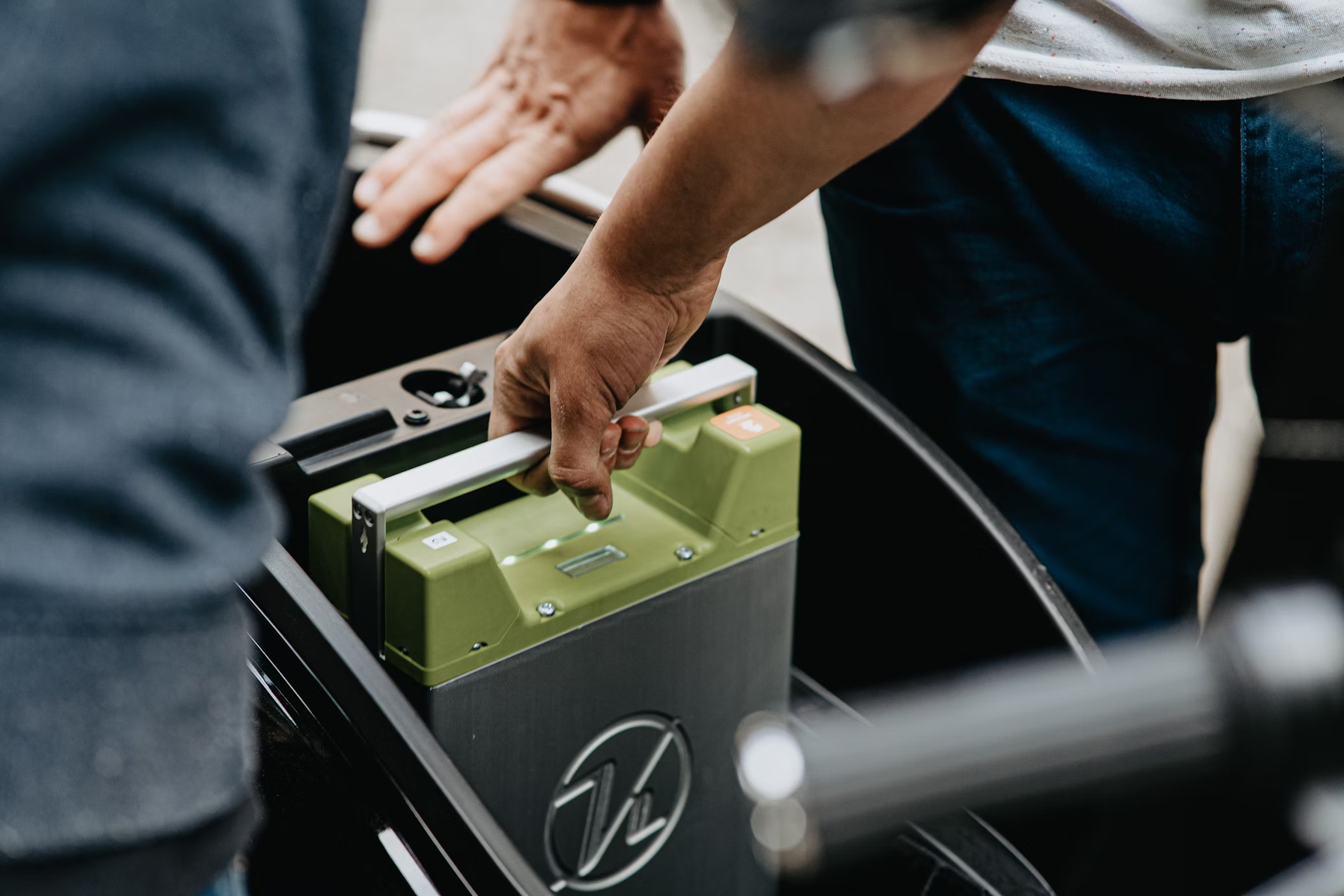

Fox ESS has gone from a name we rarely heard to one of the batteries we're asked about most. Usually it's because a quote with an EQ4800 stack has landed in someone's inbox and they want a second opinion before signing.
So here's ours, with one thing said up front. Fox ESS isn't one of the brands we install as standard, so this is an installer's read of the hardware, warranty and support, not a long-term install record. Everything below comes from Fox ESS's own Australian datasheets and warranty policy, linked as we go.
Are Fox ESS batteries any good?
On paper, yes. Fox ESS's current Australian batteries use lithium iron phosphate (LFP) cells, stack in modules from about 9 kWh to more than 40 kWh, are rated IP65, and carry a 10-year warranty to 70% of capacity (12 years on the CQ6). The specs hold up against the brands we install. What we can't vouch for from our own experience is how Fox ESS support performs on the Sunshine Coast in year seven, and that's the main reason we lead with other brands.
| Verdict at a glance | |
|---|---|
| Our read | Competitive hardware, solid warranty terms, but not a brand we can vouch for locally |
| Chemistry | LFP (LiFePO4) across the current range |
| Main battery | EQ4800: 4.66 kWh modules, 9.32 to 41.93 kWh per stack |
| Warranty (AU) | 10 years to 70% (CQ6: 12 years), or a minimum energy throughput |
| Ingress rating | IP65 on EQ4800, CQ6 and EP12 Plus |
| Watch for | Warranty registration at commissioning, installer-only claims, storm damage excluded |
Last updated: 26 October 2026. Specifications come from Fox ESS Australia's published datasheets and its HV Battery Warranty Policy for Australia and New Zealand (version 2.7, March 2026). Check the current datasheet for the exact model on your quote.
The Fox ESS battery range in Australia
Fox ESS sells several battery families here, and most confusion comes from mixing them up. These are the three you're most likely to see on a residential quote.
EQ4800: the stack on most quotes
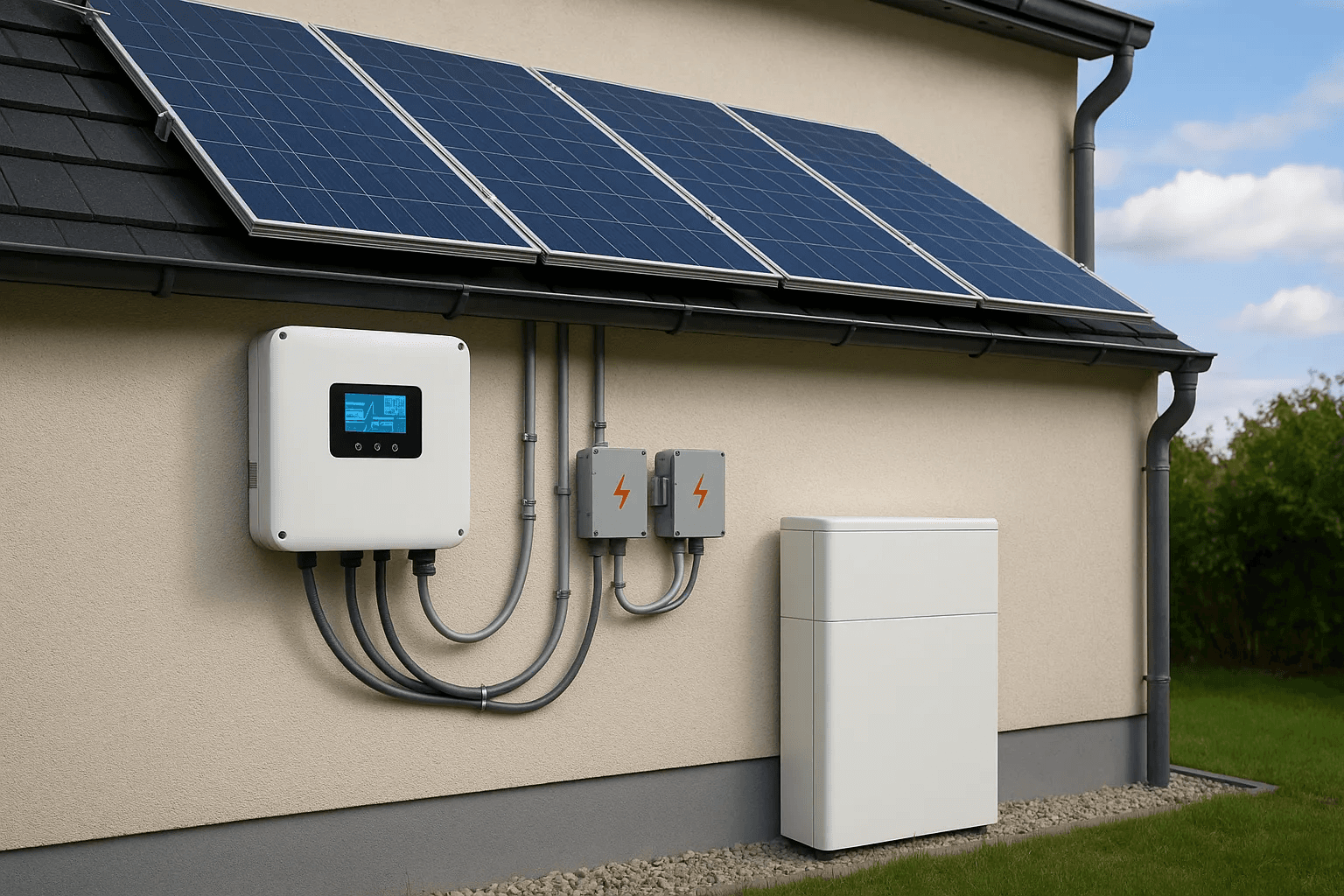
According to the EQ4800 Australian datasheet, each module holds 4.66 kWh at 100% depth of discharge, so usable and nominal capacity are the same number. A stack is one master module (EQ4800-M) plus slave modules (EQ4800-S) wired in series. The listed configurations run from two modules (EQ4800-L2, 9.32 kWh) to nine (EQ4800-L9, 41.93 kWh).
Other datasheet points worth knowing:
- Natural convection cooling, no fans.
- IP65, rated for indoor or outdoor installation on its stand.
- Charging range 0 to 55°C, discharging range −10 to 55°C.
- Battery pack round-trip efficiency listed as greater than 95%.
- It's heavy. A three-module stack (13.98 kWh) weighs 161.5 kg and stands 662 mm tall.
CQ6: bigger modules, longer warranty
The CQ6 datasheet lists a 5.99 kWh module, also at 100% depth of discharge, with stacks from 11.98 kWh (two modules) up to 83.86 kWh (fourteen). The headline difference is the warranty: Fox ESS gives the CQ6 12 years in Australia, against 10 for the rest of the range.
EP12 Plus (w): one box on the wall
If you'd rather not have a stack, the EP12 Plus (w) is a single wall or floor unit with 11.52 kWh usable, IP65, a built-in fire protection function, and up to four units in parallel for 46.08 kWh. Fox ESS also lists EP5 and EP11 models in its warranty policy.
Fox ESS battery specs compared
| Model | Usable kWh per module | Stackable to | Chemistry | Warranty (AU) | Backup |
|---|---|---|---|---|---|
| EQ4800 | 4.66 kWh | 41.93 kWh (9 modules) | LFP | 10 yrs, 70% or 19.66 MWh per module | Via Fox ESS hybrid (EPS port) |
| CQ6 | 5.99 kWh | 83.86 kWh (14 modules) | LFP | 12 yrs, 70% or throughput | Via Fox ESS hybrid |
| EP12 Plus (w) | 11.52 kWh (whole unit) | 46.08 kWh (4 in parallel) | LFP | 10 yrs, 70% or 42.6 MWh | Via Fox ESS hybrid |
The inverter decides your backup
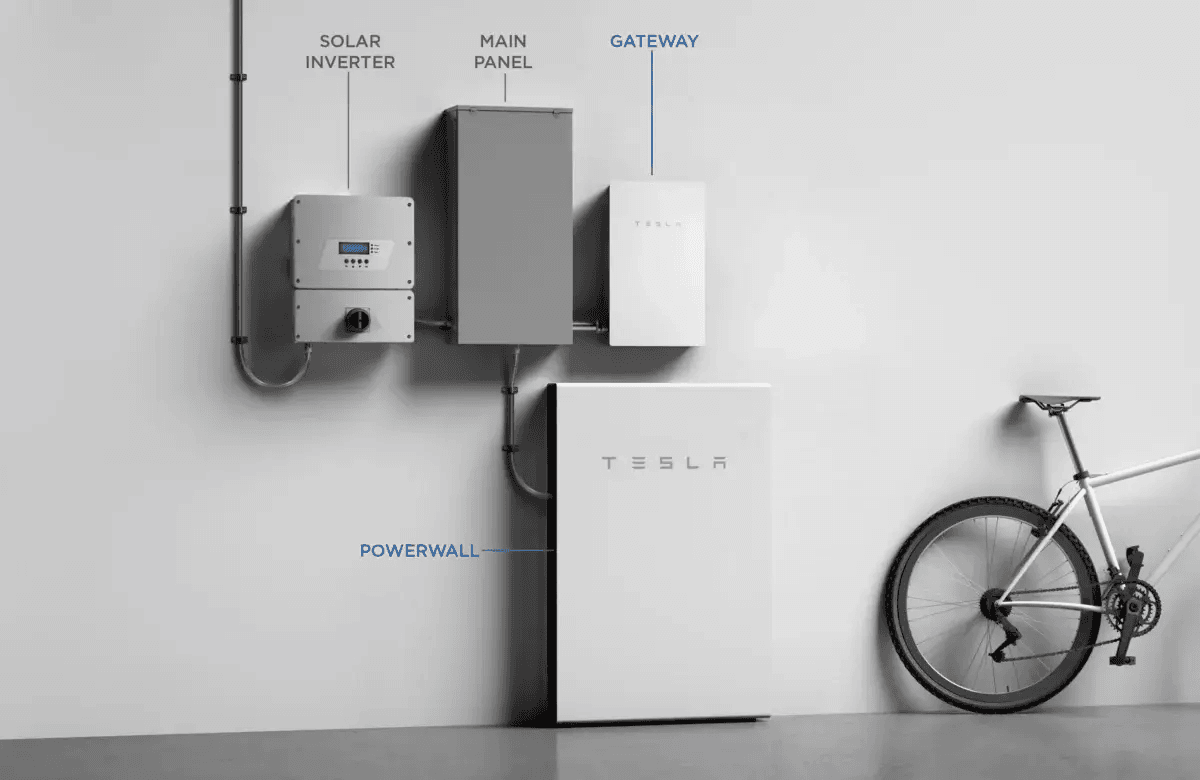
A battery on its own doesn't power anything during a blackout. The inverter does that. Fox ESS's single-phase KH series hybrids run from 7 to 10.5 kW and, per the KH/KA datasheet, offer an EPS (backup) output with a switch time under 10 milliseconds. The KA version is the AC-coupled model for adding a battery to an existing solar system. For three-phase homes, Fox ESS sells the H3 family of hybrids.
As with any brand, backup covers whatever circuits are wired to that EPS port, not automatically the whole house. Ask which circuits, and on which phase, before you sign.
Fox ESS warranty: read the conditions
The headline is competitive: 10 years (12 on the CQ6), with the battery guaranteed to keep at least 70% of nominal or usable energy, or to reach a minimum energy throughput first. For an EQ4800 module that throughput is 19.66 MWh, which works out to roughly 4,200 full cycles. A typical home cycling once a day would hit the 10-year limit first.
The conditions in the Fox ESS warranty policy are where it gets practical:
- It must be registered and online at commissioning. The battery has to be registered and connected to the Fox ESS warranty site when it's commissioned.
- The clock can start before installation. The term runs 120 months from installation but no more than 125 months from manufacture, whichever comes first. Old stock sitting in a warehouse eats into your warranty.
- The installer makes the claim. Only the installer or Fox ESS personnel can claim. If your installer has gone under, you can appoint another local installer, at your own expense.
- Heat limits apply. The performance warranty assumes the ambient temperature stays between −10°C and 50°C.
- Storms aren't covered. Storm damage, lightning, overvoltage and flooding are excluded as force majeure. That's home insurance territory.
- Turnaround is promised. Fox ESS says it will approve and dispatch a replacement within three working days, subject to stock.
The Australian importer is FoxESS Australia Pty Ltd in Springvale, Victoria. None of these conditions is unusual. But the installer-only claims clause means the company that fits your battery matters as much as the badge on it.
Fox ESS battery problems: what we actually know
People search "Fox ESS battery problems" expecting a list. We don't have our own fleet data on Fox ESS, so we're not going to invent one or repeat forum stories as fact.
What we can tell you: when we checked Product Safety Australia in October 2026, we didn't find a recall listed for Fox ESS batteries. That can change, so check it yourself for the model on your quote.
The problems we do see on modular high-voltage batteries, whatever the brand, are installation problems:
- Warranty registration never done. With Fox ESS that's a stated precondition, so ask for proof.
- Firmware and communications left at factory settings. The battery and inverter have to talk properly over CAN, and firmware versions matter.
- Backup circuits not explained. The owner assumes whole-home backup and finds out otherwise in the first storm.
- The installer disappears. With installer-led claims, that's the most expensive problem on this list.
Fox ESS battery price on the Sunshine Coast
We don't install Fox ESS, so we can't give you our installed price for it. What we can give you is the range for the batteries we do install, as a yardstick.
Installed battery prices on the Sunshine Coast, as at August 2026, before the rebate:
| Battery size | Installed, before rebate |
|---|---|
| 5 kWh | $8,500–$9,500 |
| 10 kWh | $13,000–$14,500 |
| 15 kWh | $17,500–$19,500 |
Switchboard upgrades and cable runs are the main variables on any battery job.
How the rebate works on an EQ4800
The federal Cheaper Home Batteries Program pays roughly $252 per usable kWh since 1 May 2026 for the first 14 kWh, then 60% of that rate from 14 to 28 kWh. Because Fox ESS rates the EQ4800 at 100% depth of discharge, usable and nominal capacity match. As illustrative arithmetic only, a three-module EQ4800-L3 (13.98 kWh) would earn about $3,520, and a two-module L2 (9.32 kWh) about $2,350. The rate steps down every six months, and the exact model must be on the Clean Energy Council's approved list. The full rules are on our Queensland solar rebate guide.
Alpha ESS vs Fox ESS
Both are Chinese manufacturers with Australian importers, LFP batteries and 10-year warranties to 70%. The practical differences are module sizes and our own relationship with them. Alpha ESS is a brand we install, so we can speak to its local support from experience; Fox ESS isn't. Alpha's newer SMILE-M5 system also offers a 13.99 kWh module that lines up neatly with the rebate's 14 kWh tier. Our Alpha ESS battery review goes through that range in detail.
The Sunshine Coast angle
- Salt air. IP65 means dust-tight and protected against water jets, but it isn't a licence to bolt a battery to a beachfront wall in salt spray. Within a kilometre or so of the water, a sheltered garage or carport wall is the better spot.
- Heat. The warranty assumes ambient temperatures no higher than 50°C, and the KH inverter starts derating from 45°C. A west-facing garage in a January heatwave is exactly where you don't want it. Shade and airflow matter.
- Storms. Storm and lightning damage is excluded from the battery warranty, so check your home insurance covers the system.
- Grid connection. Energex sets export limits and approves the connection before installation. The exact limit for your home is confirmed at application.
- Local support. With installer-led claims, ask whoever quotes you how long they've been fitting Fox ESS and who handles a claim if they're not around.
Who Fox ESS suits, and who should skip it
A Fox ESS battery could suit you if you:
- Have a quote from an installer with a long Fox ESS track record who'll handle the warranty claim
- Want a large modular stack, especially the CQ6 with its 12-year warranty
- Are happy with a separate battery and Fox ESS hybrid inverter rather than an all-in-one cabinet
Look somewhere else if you:
- Can't get a straight answer on who claims the warranty if the installer goes under
- Need the battery outdoors in a salt-exposed spot with no shelter
- Want a brand your local installer has years of service history with
What we'd install instead, and why
We're not saying Fox ESS is a bad battery; the specs say otherwise. We just prefer brands where we've handled the warranty process ourselves and know who answers the phone. For most Sunshine Coast homes that means a Deye high-voltage stack on a matched Deye hybrid, which is the closest like-for-like to an EQ4800 setup (see our Deye battery review), or GoodWe if you want an all-in-one ESA cabinet with 63A whole-home bypass (see our GoodWe battery review).
If you'd like those quoted side by side for your house, our battery installation on the Sunshine Coast starts with your evening usage, not a brand.
Frequently asked questions
How big are Fox ESS batteries?
It depends on the range. The EQ4800 uses 4.66 kWh modules in stacks from 9.32 to 41.93 kWh. The CQ6 uses 5.99 kWh modules from 11.98 up to 83.86 kWh. The EP12 Plus (w) is a single 11.52 kWh unit, with up to four in parallel for 46.08 kWh. All are rated at 100% depth of discharge, so the usable figure matches the nominal one.
Are Fox ESS batteries any good?
The hardware is competitive: LFP cells, IP65 enclosures, 100% depth of discharge and a 10-year Australian warranty to 70% (12 years on the CQ6). The warranty depends on registration at commissioning and claims go through the installer, so the quality of the installer matters a great deal. We don't install Fox ESS as standard, so we can't vouch for its long-term local support from our own experience.
What are the downsides of solar batteries?
Cost and payback come first: our modelling puts battery payback at around 7 to 12 years, and the federal rebate shrinks every six months. Capacity fades over time, which is why warranties guarantee around 70% after 10 years rather than 100%. A battery only backs up the circuits it's wired to, needs a compliant location, and comes with warranty conditions that are easy to break by accident.
How long will a 10kW battery power my house?
Divide the usable capacity by your average load. A 10 kWh battery at an average draw of 1 kW lasts about 10 hours; at 2 kW, about 5. Most Sunshine Coast homes need 8 to 16 kWh to cover the evening and overnight. We work through the maths in how long a 10kWh battery lasts.