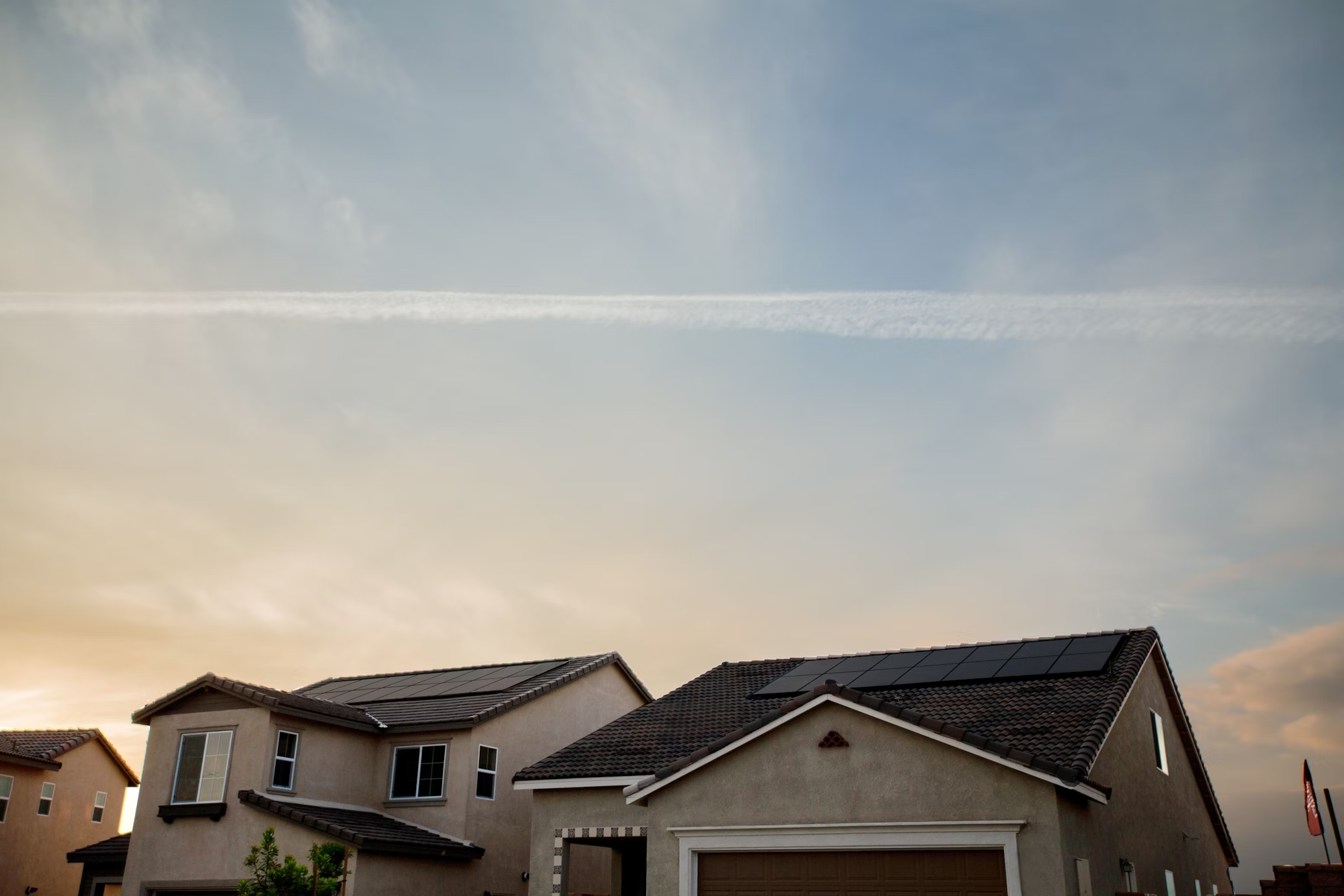

Living a short walk from the beach is the whole point of the Sunshine Coast. It's also hard on anything metal left outside, and a solar system is a roof full of aluminium, steel fixings, plastic enclosures and electrical connectors sitting in the salt spray for twenty-plus years.
That doesn't mean coastal homes shouldn't have solar. Plenty of the systems we look after are within sight of the water at Noosa, Coolum, Mooloolaba and Caloundra. It means the install and the maintenance need to be done with salt in mind.
Short answer: yes, solar panels work well near the beach, but salt air speeds up corrosion of the metal parts, not usually the glass. Salt attacks anodised panel frames, clamps, mounting rails, fixings, isolator enclosures and connectors long before it affects the panel surface. Coastal systems should be installed with corrosion-resistant hardware and panels that have a salt-mist corrosion rating on the datasheet, cleaned roughly every three to four months if you're within about a kilometre of the water, and inspected every year.
Here's what actually corrodes, what to look for, and what to ask for on a quote.
Can salt air damage solar panels?
Yes, but not in the way most people picture.
The glass face of a panel handles salt well. What salt does to the glass is leave a thin film that dulls output, even when the panel looks clean from the ground, and rain doesn't fully lift it. That's an output problem, and cleaning fixes it.
The real damage happens to everything around the glass:
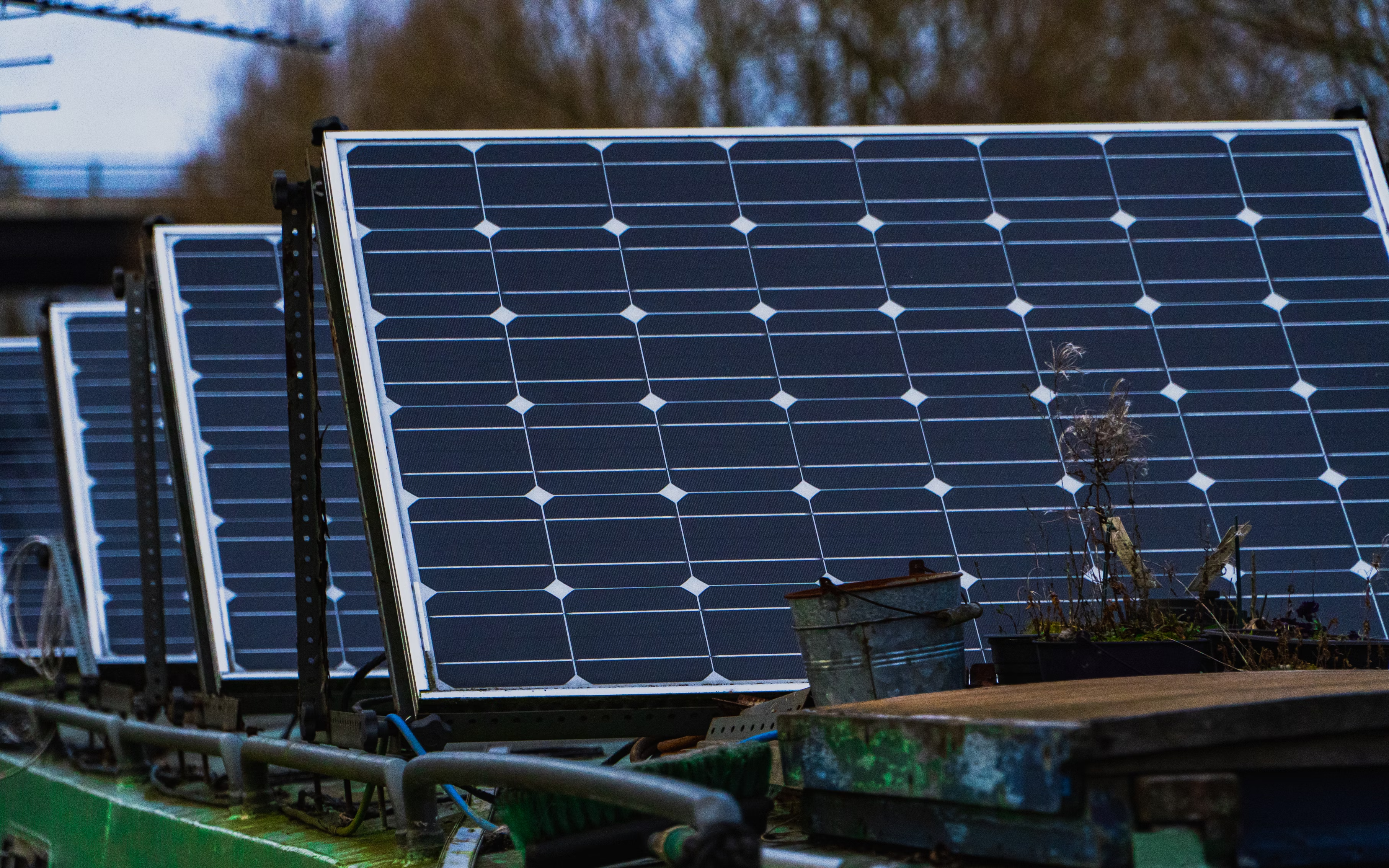
- Panel frames: salt attacks the anodised aluminium frames, and on older panels it can accelerate frame corrosion and delamination.
- Clamps and mounting rails: the hardware that holds the panels to the roof.
- Fixings and roof penetrations: screws, bolts and flashings.
- Rooftop DC isolators: the switch boxes on older installs. UV and salt degrade the enclosures, water gets in, and the contacts corrode and arc.
- DC connectors: the plugs between panels, which can corrode if they're poorly mated, mismatched between brands, or sitting in water.
- Inverter and battery enclosures: if they're mounted where salt spray reaches them.
Corrosion in the frames and mounting is a structural and longevity issue. Corrosion in the isolators and connectors is a safety issue, because that's where faults and fires start.
Signs of solar panel rust and corrosion
From the ground, or from photos taken during a service, look for:
- White, powdery deposits on aluminium frames, rails or clamps. That's aluminium corrosion, and it's the most common early sign on coastal roofs.
- Rust streaks running down from fixings or rail joints, which usually means a steel fastener is corroding.
- Pitting or bubbling on frames or rails.
- Clamps that look loose or out of line, or panels that sit unevenly.
- Cracked, faded or chalky isolator enclosures, or any sign of moisture inside them.
- Browning or discolouration on panels, which can be backsheet degradation or delamination, sometimes accelerated by salt air.
- Insulation fault codes on the inverter, which often mean moisture has found its way into a DC connector or junction box.
If you see water inside a rooftop isolator, smell burning, or see scorch marks, switch the system off at the AC isolator and the solar main switch and call a licensed solar electrician. Don't go up on the roof to look.
Is it OK to put solar panels near the beach?
Yes. The sun is the same a hundred metres from the surf as it is in the hinterland, and cooling sea breezes help panels, which lose efficiency as they heat up.
The trade-off is maintenance and materials. A coastal system that's installed with the right hardware and looked after properly can be just as reliable as one inland. One installed with generic hardware and then left alone for ten years usually isn't.
What to ask for on a coastal solar installation quote
This is where most of the long-term difference is made, and it costs far less to get right on day one than to fix later.
Panels with a salt-mist corrosion rating
Panel datasheets often list the tests the panel has passed. Look for salt-mist corrosion testing, usually shown as IEC 61701, which is the international test standard for salt mist corrosion of photovoltaic modules. The standard allows for different test methods and severities, so if you're very close to the water, ask your installer which level the panel on your quote was tested to.
A salt-mist rating doesn't make a panel immune, and it doesn't replace good mounting hardware. But on a coastal roof, a panel without it is a question worth asking.
Corrosion-resistant mounting and fixings
Ask what the rails, clamps and fixings are made of and whether they're suited to a coastal or marine environment. Also ask how the installer avoids putting dissimilar metals in direct contact, because in salty, humid air two different metals touching can corrode each other much faster than either would alone.
Sensible inverter and battery placement
Inverters and batteries last longer out of direct salt spray and afternoon sun. A garage, carport or sheltered side of the house beats an exposed wall facing the ocean. It's also a warranty matter: some battery warranties specifically exclude enclosure rust caused by harsh environmental conditions, so placement is worth getting right.
Read the installation conditions
Manufacturers publish installation manuals and warranty terms for each product. For a home very close to the water, ask your installer to confirm that the panel, inverter and battery being quoted are suitable for your location under those documents. It's a fair question, and a good installer will have the answer ready.
How often should solar panels near the beach be cleaned?
The general guidance for the Sunshine Coast is two to four cleans a year. Most homes away from the water sit at the lower end of that range, because ordinary rainfall shifts most loose dust and pollen on its own.
Homes within about a kilometre of the water sit at the higher end: roughly every three to four months. Salt film builds up, dulls output and isn't fully lifted by rain. Low-pitch roofs, where water pools and dries rather than running off, and anything under trees or regularly visited by birds, may need more.
Your production data is a better guide than the calendar. If output drifts down between cleans in similar weather, that's your cue.
Whoever does the cleaning:
- Clean early in the morning, while the panels are cool
- Use plain water and a soft brush
- No pressure washers, no abrasive pads, no harsh household chemicals
- Never walk on the panels
There's a safety point specific to older coastal systems too. Cheap cleaning operators work with water directly over degraded connectors and cracked isolator enclosures, which is exactly where these systems fail. If someone is hosing your roof, you want them to know what they're looking at. Our solar panel cleaning guide goes through doing it yourself safely, and when it's worth paying someone.
Annual inspections for coastal systems
An annual inspection is the standard advice for any solar system. On coastal properties, and on anything more than ten years old, we'd treat it as essential rather than optional.
A proper coastal inspection should cover:
- Every panel inspected for cracks, discolouration, delamination, hot spots and frame corrosion
- Mounting rails, clamps, roof penetrations and flashing checked for movement, corrosion and leaks
- DC isolators, enclosures, conduit and cabling checked for UV degradation and water ingress
- DC connectors checked for correct mating, heat damage and mismatched brands
- AC and DC terminations torque-checked at the inverter, isolators and switchboard
- String voltage, current and insulation resistance tested
- The inverter's fault history read and output compared with what the array should produce
- A written report with photos
The insulation resistance test is the one that matters most near the coast. It finds moisture and corrosion in the DC wiring before it turns into a fault code, a dead system or something worse. For general upkeep beyond the coastal specifics, see our solar panel maintenance guide.
Isolators, rails and fixings: the parts that fail first
If there's one takeaway from this article, it's that panels are the most reliable part of a coastal system. Almost every fault we find sits somewhere else:
- Rooftop DC isolators are a known and widespread failure point on older Australian installs. On a coastal roof, UV and salt work together on the enclosures. If yours is showing water ingress, cracking or a burnt smell, it needs replacing with compliant gear and the cabling re-terminated and tested. That's urgent, licensed work.
- Rails and clamps corrode slowly and quietly. Caught early, a corroded clamp is a cheap replacement. Left for years, it can mean panels shifting in a storm.
- Fixings and flashings that corrode can let water into the roof, which turns a solar problem into a roofing one. Our guide to solar panels on tile vs metal roofs covers the right fixings for each.
All of these are things you won't see from the ground, which is why the annual inspection matters more on the coast than anywhere else.
Does the warranty cover salt corrosion?
It depends on the product, the cause and the paperwork. Panel and inverter warranties are manufacturer warranties, and they come with installation and environmental conditions. Corrosion caused by unsuitable hardware or an installation that didn't follow the manual can fall outside cover.
When we find frame corrosion or panel damage on a coastal roof, we check whether the panel is still inside its performance warranty and whether the manufacturer still trades in Australia, and we photograph everything. That written, photographed report is also what you need for an insurance or warranty claim.
Getting help on the coast
We're based at Cooroibah, just north of Noosa, so coastal systems are a big part of our week, from solar in Noosa down to Caloundra. If you'd like a coastal system checked, cleaned or quoted, our solar repairs and servicing team works on systems we didn't install as well as our own, and every service comes with a written report and photos.
Frequently asked questions
Do solar panels rust?
The glass doesn't, but the metal around it can corrode. Aluminium frames and rails usually show white, powdery corrosion rather than red rust, while steel fixings can rust and leave streaks. Salt air near the coast speeds this up, which is why coastal systems need corrosion-resistant hardware and annual inspections.
Can salt air damage solar panels?
Salt air mainly damages the metal and electrical parts around the panels: frames, clamps, rails, fixings, isolator enclosures and connectors. On the glass it leaves a film that reduces output until it's cleaned off. Corroded isolators and connectors are the most serious risk because that's where electrical faults develop.
Is it OK to have solar panels near the beach?
Yes. Coastal homes on the Sunshine Coast get the same sun as everyone else. The system just needs panels with a salt-mist corrosion rating, corrosion-resistant mounting hardware, a sheltered spot for the inverter and battery, regular cleaning, and an annual inspection.
How often should I clean solar panels near the ocean?
If you're within about a kilometre of the water, roughly every three to four months, because salt film builds up and rain doesn't fully remove it. Further inland, two to four times a year is the usual guidance, often at the lower end. Use plain water and a soft brush on cool panels, and never use a pressure washer.
What does a salt mist rating on a solar panel mean?
It means the panel has passed salt-mist corrosion testing, usually listed on the datasheet as IEC 61701, the international test standard for salt mist corrosion of photovoltaic modules. The standard allows different test methods and severities, so if you live very close to the water, ask which level the panel was tested to.