
It's a fair question, especially after a week of grey skies in February or the first short, cool days of June. If the sun's not out, is the solar doing anything at all?
It is. Just less.
Short answer: yes, solar panels work on cloudy days and in winter, but at reduced output. Panels respond to daylight, not heat, so they keep generating under cloud from diffuse light, just well below what they make in full sun. Thin, high cloud costs you a little; thick storm cloud costs you a lot. In winter the days are shorter and the sun sits lower, so daily output falls, but the Sunshine Coast's dry, clear winter days and cool temperatures mean systems here still produce well through the cooler months.
Here's what's actually going on, and what it means for your system and your bills.
Do solar panels work on cloudy days?
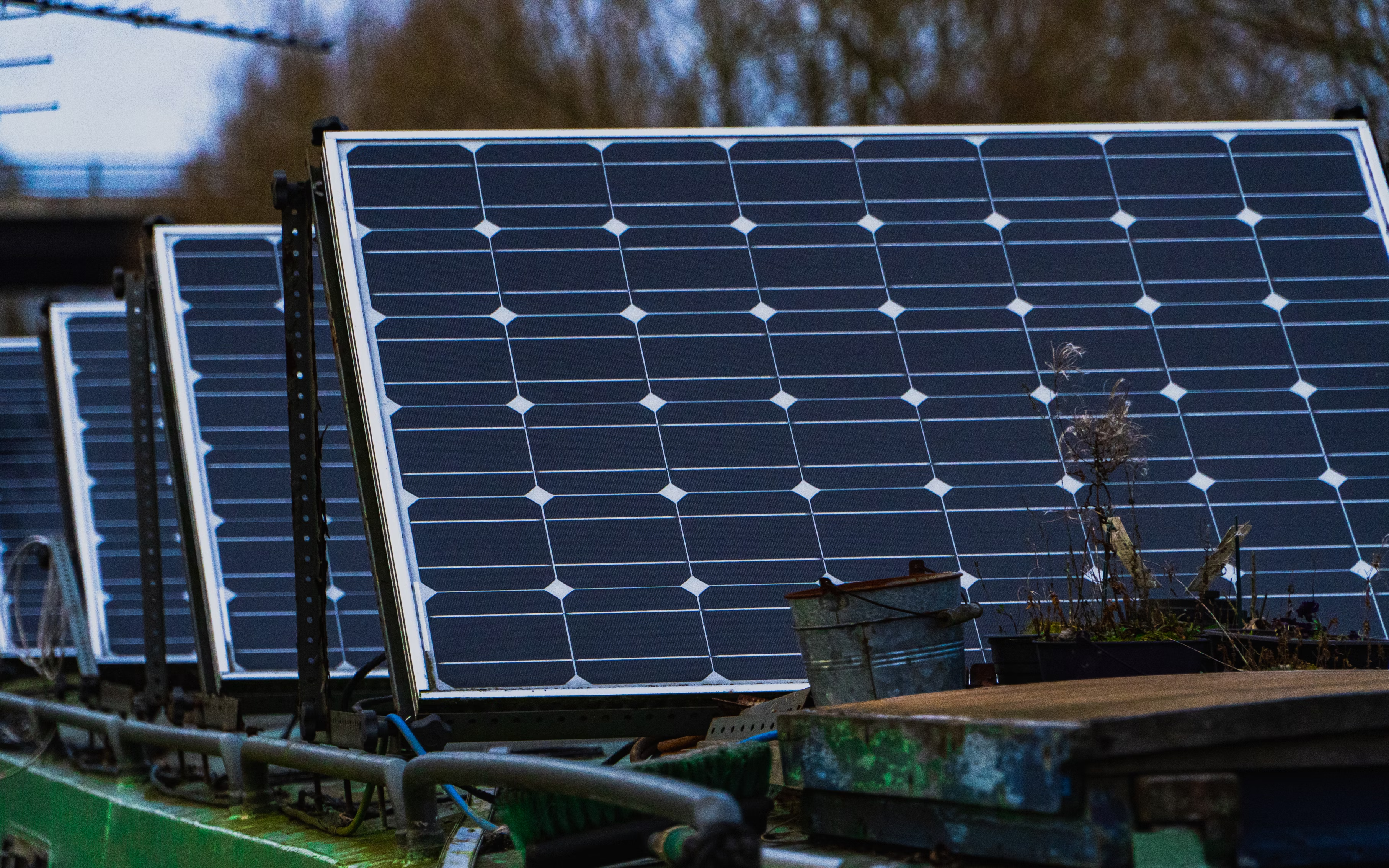
Solar panels generate electricity from light. On a clear day, most of that light arrives as direct sunlight. On a cloudy day, the cloud scatters it, and the panels run on diffuse light coming from the whole sky rather than straight from the sun.
How much they make depends heavily on the type of cloud:
- Thin or patchy cloud: output dips and recovers as cloud passes. Over a day the loss can be modest.
- Uniform grey overcast: output drops substantially and stays low.
- Heavy storm cloud: output can fall to a small fraction of normal while it's overhead.
We won't give you a single percentage for "cloudy day output", because there isn't one. It varies with cloud thickness, time of day, the angle of your panels and how long the cloud hangs around. Your own monitoring app is the best guide: look back at a few overcast days and compare them with clear days in the same month.
What matters for your bill is the total across weeks and months, not any single day. A cloudy Tuesday is a dip, not a failure.
Do solar panels work in the rain?
Yes, though rain usually comes with thick cloud, so output is low while it's raining. The upside is that rain rinses dust and pollen off the glass, which helps output once the sky clears. It won't shift baked-on bird droppings, lichen or the salt film that builds up on coastal homes, so rain isn't a complete substitute for cleaning. Our solar panel cleaning guide covers when cleaning is genuinely worth it.
Do solar panels work at night?
No. No light, no generation. Moonlight and streetlights aren't anywhere near enough. Your inverter will go to sleep after sunset, and that's normal. Anything you use at night comes from the grid, or from a battery if you have one.
Do solar panels work in winter?
Yes, and often better than people expect.
Three things change in winter:
- Shorter days. Fewer daylight hours means fewer hours of generation.
- Lower sun. The sun sits lower in the northern sky, so light hits the panels at a flatter angle and passes through more atmosphere.
- Longer shadows. A tree, a neighbour's roof or a chimney that's harmless in summer can cast a shadow across part of your array in winter.
And one thing works in your favour:
- Cooler panels. Solar panels are more efficient when they're cool. Heat reduces their output, which is why a hot, humid summer afternoon doesn't produce as much as you'd assume from the sunshine alone. Crisp, clear winter days are kind to panels. Our guide to solar panel efficiency explains why heat matters.
The net effect is that daily output is lower in winter than in summer, but not dramatically so on a well-designed, unshaded, north-facing system.
How Sunshine Coast seasons affect your solar output
The Sunshine Coast doesn't follow the pattern people expect from the southern states.
Summer is our wet season. Long days and a high sun should mean peak output, and on clear days they do. But summer also brings humidity, afternoon cloud build-up, storms and the occasional run of wet weeks, plus heat that trims panel efficiency. A summer of storms can produce less than the long days suggest.
Winter is usually our driest, clearest stretch. Days are shorter and the sun is lower, but skies are often clear and temperatures mild. That combination means a well-placed system keeps producing steadily through June, July and August.
Spring and autumn tend to be the sweet spot: reasonable day length, moderate temperatures and plenty of clear days.
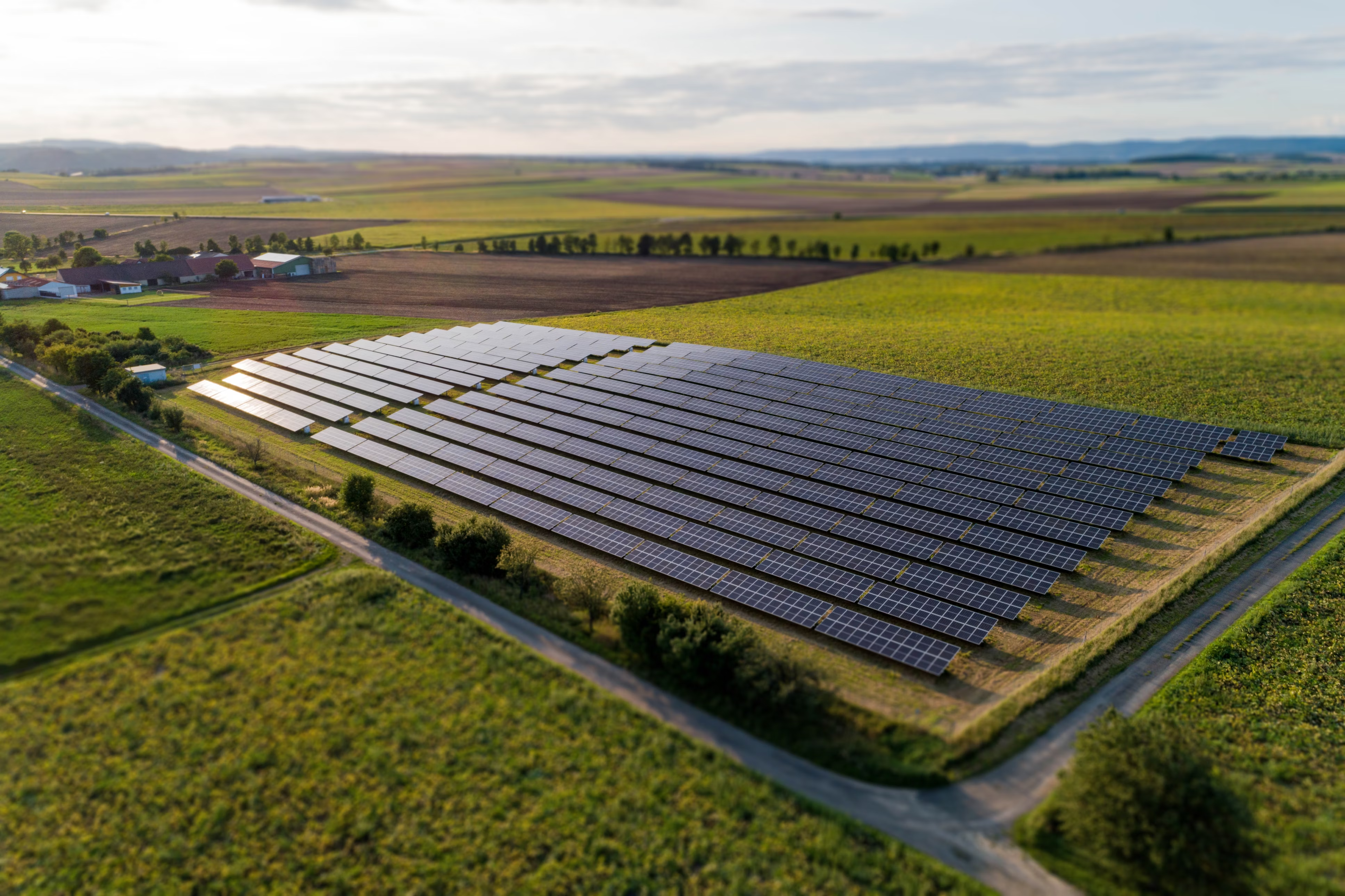
When we plan a system, we use annual averages. Our planning figure is around 26 kWh a day for a 6.6 kW system and around 40 kWh a day for a 10 kW system, averaged across the year. That means winter days will typically come in below those averages and clear spring and summer days above. If you're working out what size you need, our guide on how many solar panels you need walks through the method.
Solar output in winter in Queensland: what to expect from your system
The best way to know what your own system does in winter is to look at your own data.
- Open your monitoring app and compare this June with last June, not with January. Like-for-like comparisons are the only ones that tell you anything.
- Look at a clear winter day around midday. If peak output looks reasonable for the system size and it's still lower than summer, that's normal.
- Watch for a step change. A system that produced well last winter and noticeably less this winter, in similar weather, may have a new shading problem, dirty panels or a fault.
- Check the shadows. Walk around at mid-morning and mid-afternoon in winter and look at what's casting shade on the roof. Trees grow, and the winter sun finds every one of them.
If output looks low for the conditions, it's worth having the system checked. A failing isolator or inverter can masquerade as "it's just winter" for months.
What about storms and hail?
Panels are built to sit outside in Queensland weather for decades, and most storms pass without any issue. But it's worth a check after a severe one.
From the ground, look for:
- Cracked or shattered glass on any panel
- Debris sitting on the array
- Panels or rails that look out of line
- Damage to rooftop isolators or cabling
Hail and storm debris can cause microcracks that aren't visible from the ground but show up later as lower output from part of the array. If you've had a big hail storm and your output drops afterwards, have the panels inspected and photographed. That documentation also matters for insurance and warranty claims. Our guide to solar panel hail damage walks through the claim.
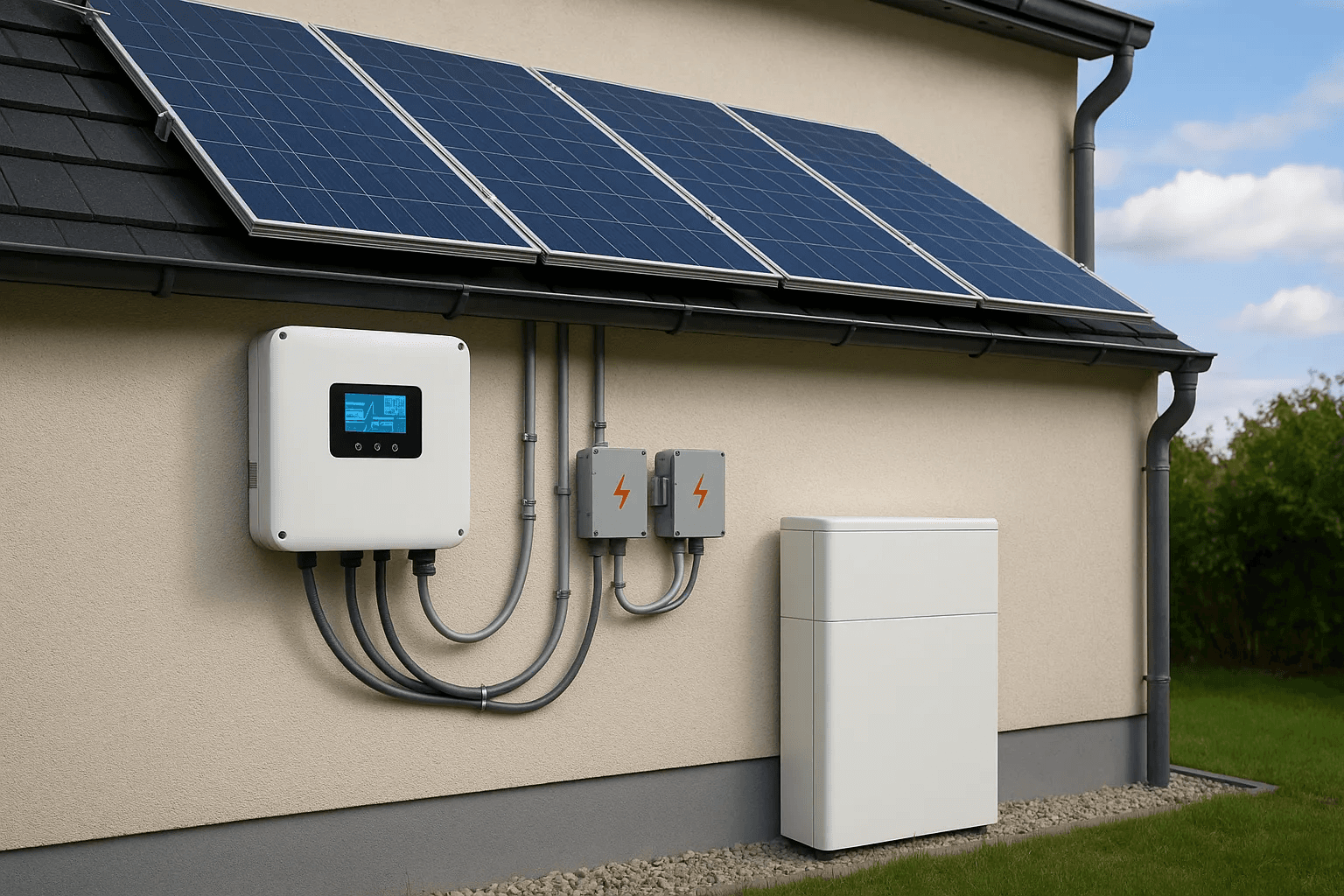
Storm season is also when a battery with backup earns its keep, because a standard grid-connected solar system switches off in a blackout. We cover that in detail in our guide to solar battery backup in a power outage.
What cloudy days and winter mean for batteries
This is where seasonal output really matters.
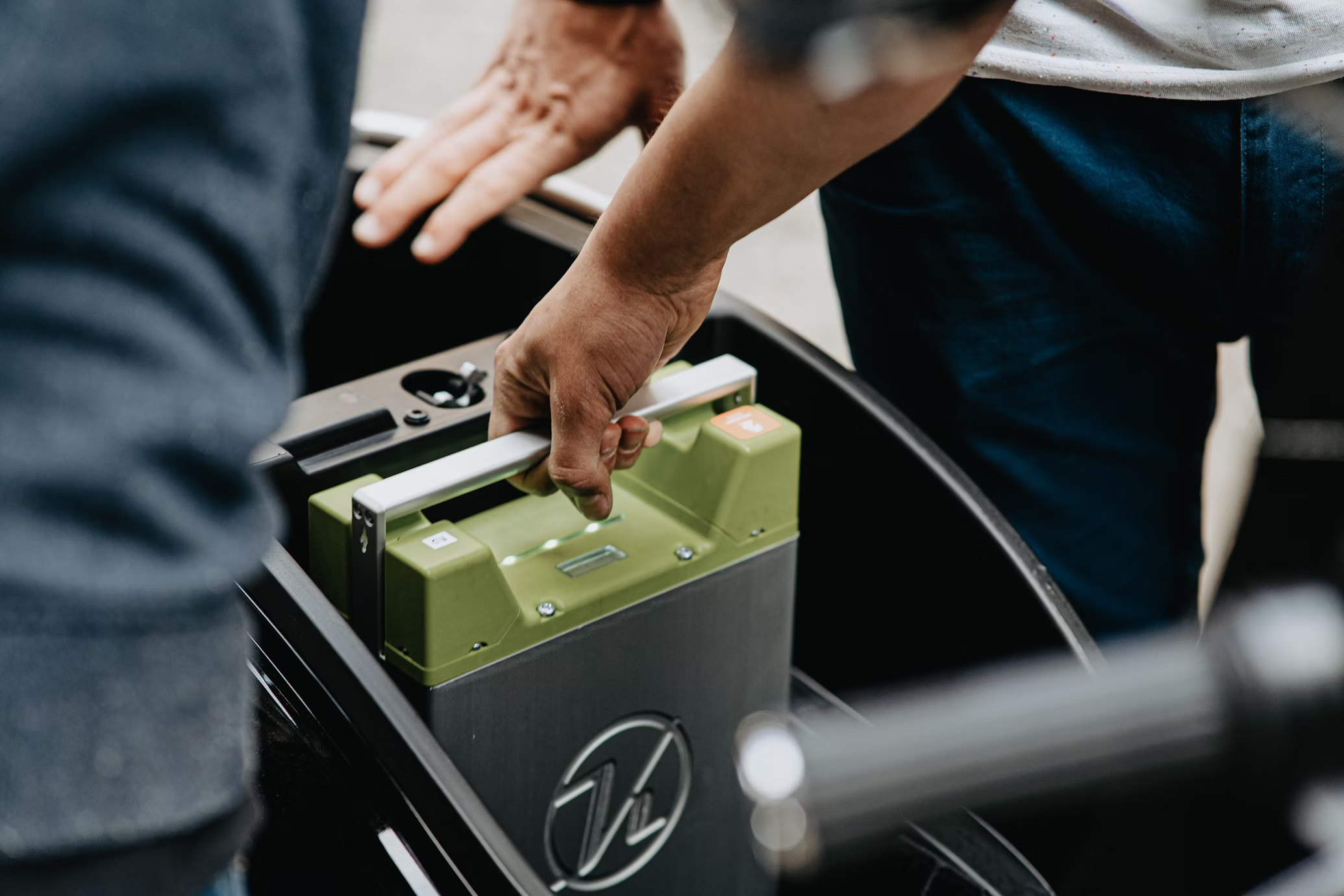
A battery can only store what your panels have left over after running the house during the day. On long, clear spring days there's usually plenty of surplus. On short winter days, or through a run of cloudy weather, the surplus shrinks, and a large battery on a small array may not fill.
That's why we size batteries from your evening and overnight usage, then check that the array can actually fill the battery in the cooler months, not just in October. A 15 kWh battery on a 6.6 kW array will often sit partly empty through winter. If you're adding storage to an older, smaller system, extra panels sometimes deliver more value than extra battery capacity. We weigh that trade-off in more solar panels or a bigger battery.
For off-grid homes, it's even more important. A standalone system has to be sized for your worst week of weather, not an average day, which is why off-grid designs include a much larger array, more storage and usually a backup generator.
How to get the most out of solar through winter and cloudy weather
- Use power in the middle of the day. Even on cloudy days, peak generation is still around midday. Run the dishwasher, washing machine and pool pump then.
- Trim trees. Winter shading is the most common avoidable loss we see.
- Keep panels reasonably clean. Particularly on coastal homes and low-pitch roofs where rain doesn't fully clean the glass.
- Watch your monitoring. Set up alerts so a fault is picked up within days, not at the next bill.
- Mind your battery settings. If you have a battery with backup, it can make sense to raise the backup reserve before a forecast run of storms.
- Design for it from the start. North-facing panels perform best across the year, especially in winter. East and west arrays work well too, but heavily shaded or south-facing roof space is rarely worth it.
If you're planning a new system, our residential solar panels page explains how we assess your roof, orientation and shading across the year before recommending a size.
Frequently asked questions
Do solar panels work during cloudy days or winter?
Yes. Solar panels generate from daylight, so they keep producing under cloud using diffuse light, and they keep working through winter. Output is lower on cloudy days and short winter days than in full summer sun, but on the Sunshine Coast clear, dry winter days and cool temperatures keep systems producing well through the cooler months.
How much power do solar panels produce on a cloudy day?
There's no single figure. Light, patchy cloud may only trim output, while thick overcast or storm cloud can drop it to a small fraction of a clear day. The best guide is your own monitoring app: compare a few overcast days with clear days in the same month.
Do solar panels work in the rain?
Yes, but rain usually means heavy cloud, so output is low while it's raining. Rain does help by washing dust off the panels, though it won't remove bird droppings, lichen or coastal salt film.
Is the Sunshine Coast good for solar in winter?
Yes. Winter here is typically our driest and clearest season. Days are shorter and the sun is lower, so daily output is below summer, but clear skies and cool panel temperatures mean well-designed systems keep producing solidly.
Why is my solar producing less in summer than I expected?
Summer on the Sunshine Coast brings heat, humidity, afternoon cloud and storms. Panels lose efficiency as they heat up, and cloud cuts output, so a stormy summer can produce less than the long days suggest. If output is down compared with the same month last year in similar weather, have the system checked.