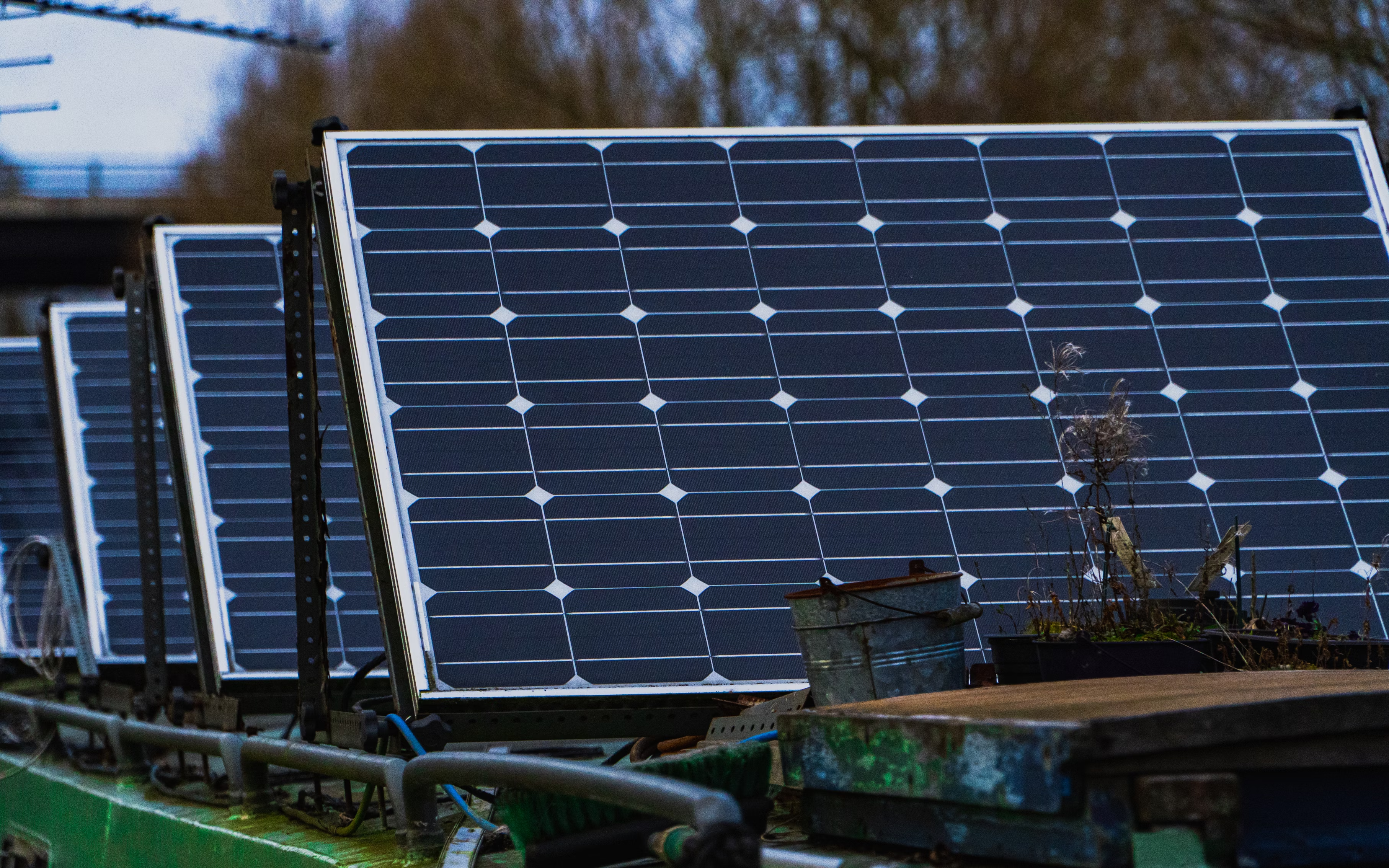
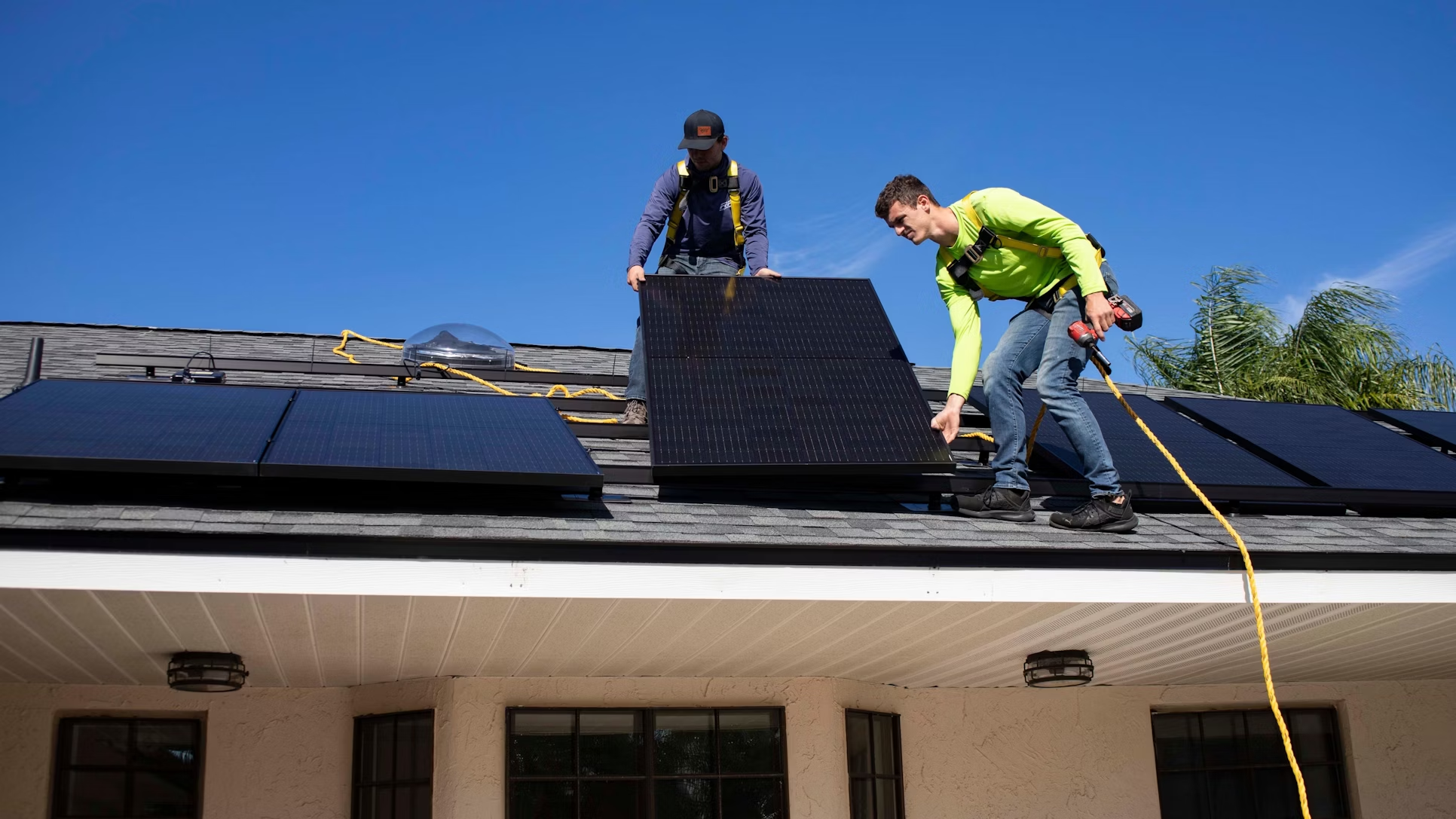

Drive down almost any street in Buderim, Nambour or Tewantin and you'll see them: a short row of older panels on a roof that went solar between 2009 and 2013. Back then a 1.5 kW or 2 kW system was a normal size, and plenty of those homes signed up to the 44c Solar Bonus Scheme. Now the household runs more air conditioning, maybe an EV, and the little system barely moves the bill.
A solar system upgrade usually means one of three things: keep the old system and add a battery, add more panels (on the existing inverter, a new inverter or a separate second system), or remove the old system and replace it with a modern one. Which one makes sense depends on how healthy the old inverter is, how much roof you have left, and whether you're still on the 44c feed-in tariff. If you're on 44c, don't change anything until you've checked the scheme conditions, because some changes end the tariff.
Is it worth upgrading an old solar system?
Often, yes. But not always straight away, and not always in the way a salesperson suggests.
The signs an upgrade is worth looking at:
- Your usage has grown and the system hasn't. A 1.5 kW array was sized for a different household and a different price of power.
- The inverter is old or has already failed once. Inverters usually fail long before panels. Many systems from the 2011 to 2013 wave are already on their second inverter or due one.
- You're exporting cheaply and buying back expensively. Feed-in tariffs on the Sunshine Coast commonly sit around 3 to 12c per kWh, while grid power costs roughly 25 to 35c per kWh at peak (as at August 2026).
- The bill has crept up for no obvious reason. Sometimes that's growth in usage. Sometimes it's a system that has quietly stopped producing.
The sign it's not time yet: you're on 44c, the system still works and your usage hasn't changed much. It may be earning more as it is, at least until the scheme ends.
First check: are you on the 44c Solar Bonus Scheme?
This is the question we ask before anything else on an old system.
Queensland's Solar Bonus Scheme closed to new applicants in 2012. Households still on it keep receiving 44c per kWh for exported power, as long as they stay eligible, until the scheme expires on 1 July 2028 (Queensland Government).
The catch is that the scheme has conditions about changing the system. The Queensland Government lists things like increasing inverter capacity, adding panels beyond the inverter's rated capacity, and using batteries while the 44c system is operating (unless they're on a separate connection) as things that can cost you the tariff, and it expects components to be replaced like for like. We've summarised the conditions in our guide to the solar feed-in tariff on the Sunshine Coast, but the rules belong to the scheme, not to us.
So before you change anything on a 44c system, read the current conditions on the Queensland Government page and check with your retailer and Energex how your specific change would be treated. Then make the decision with real numbers. For some homes the right answer is to protect 44c until 2028 and upgrade after that. For others, especially where the original system is tiny and usage has doubled, the tariff is worth less than a properly sized modern system with storage.
Your three solar upgrade options
| Keep it and add a battery | Add more panels | Full replacement | |
|---|---|---|---|
| What changes | Battery added; old panels and inverter usually stay | New panels, and often a new or second inverter | Old panels and inverter come off; a new system goes on |
| Best when | Inverter is healthy and fairly new; you export a lot | Roof space is spare; usage has grown | Inverter is failing, panels are damaged, or the system is tiny |
| Main limit | A small array may not fill a battery | Old inverter capacity; mismatched old and new panels | Highest upfront cost |
| Federal rebate | Battery rebate on the new battery | STCs on the new capacity only | STCs on the new system |
| 44c risk | Yes, check first | Yes, check first | High; a bigger replacement system will usually fall outside the conditions, so check first |
Option 1: Keep the old system and add a battery
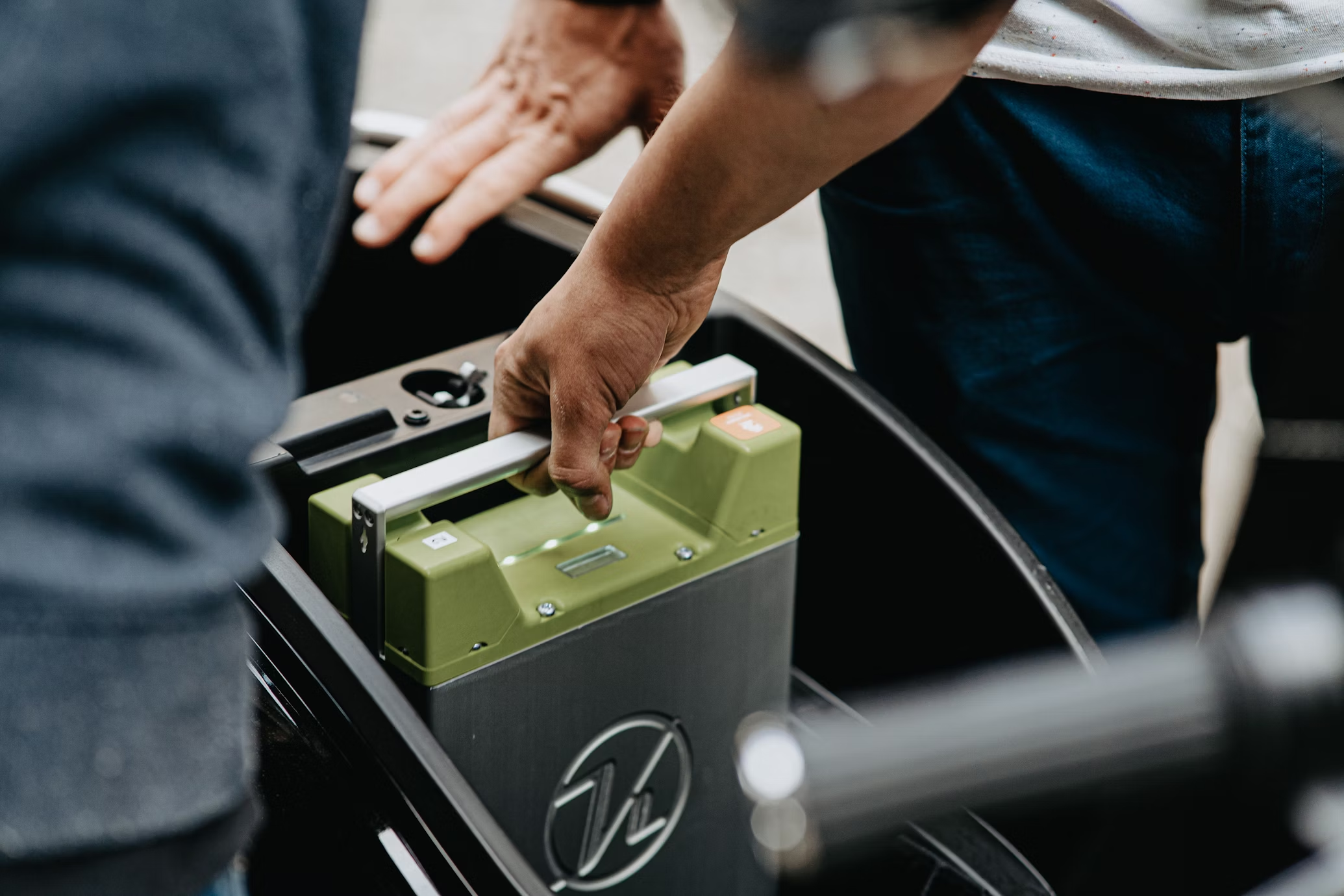
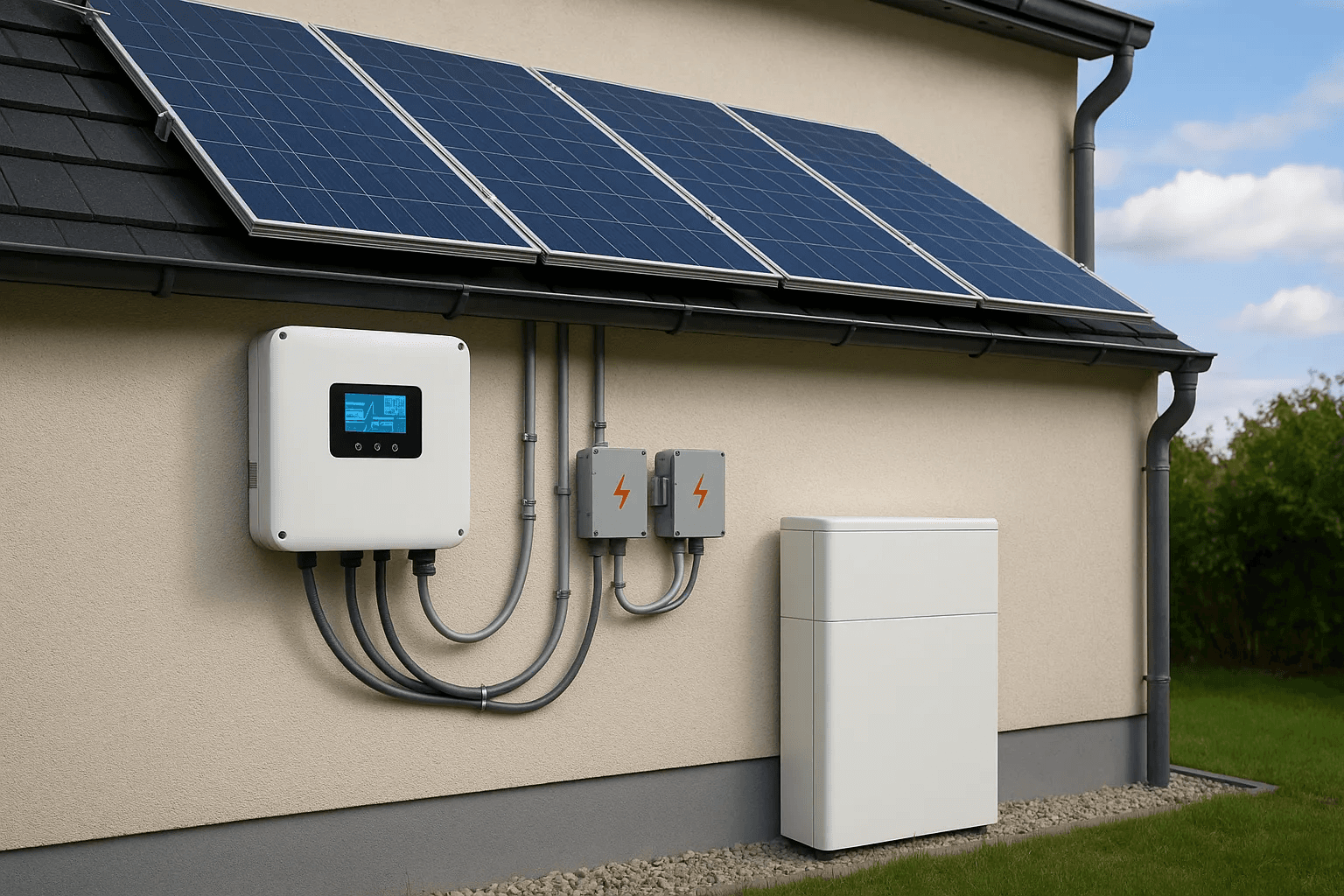
If your inverter is healthy and under about 8 years old, a battery can usually go in alongside it as an AC-coupled retrofit. The panels and inverter stay put, and the battery has its own inverter. If your inverter is failing, out of warranty or you're expanding the array anyway, the better move is often a hybrid inverter with a DC-coupled battery.
The honest problem with this option on a 2010-era system is size. A 1.5 kW array doesn't make much surplus on a good day, so a battery bolted onto it will sit partly empty a lot of the time. That's why adding a battery to a very small system usually goes hand in hand with adding panels. Our guide to adding a battery to existing solar covers AC and DC coupling, costs and the rebate in detail.
Option 2: Add more solar panels to your existing system
There are three ways to do this, and the Clean Energy Regulator treats each one slightly differently for STCs (Clean Energy Regulator):
- Add panels to the existing inverter. Only works if the old inverter has spare capacity, and the new panels and existing inverter must both be on the CEC approved products list. Most older 1.5 to 3 kW inverters were sized to the original array, so there's rarely much headroom.
- Fit a new inverter and connect old and new panels to it. STCs can be claimed on the new panels, but not on the existing ones. The installer has to check and re-certify the whole system against current standards, and upgrade anything that no longer complies. That last part matters on a system designed fifteen years ago.
- Install a separate second system. New panels on their own new inverter, running alongside the old one. STCs apply to the new system, provided the combined capacity stays within the small-scale limit.
One thing we don't do is string brand new panels in with fifteen-year-old ones on the same string. Old and new panels have different electrical characteristics, and mixing them on one string tends to drag the new panels down to the old ones' level. New panels go on their own string or their own inverter.
Your network connection also matters here. Adding inverter capacity means a new application to Energex, and the export rules at your address can affect the design. We confirm that at application rather than guessing a number.
Option 3: Replace old solar panels and the inverter entirely
Sometimes the cleanest answer is to start again: remove the old system and put on a modern one sized for how you live now. A complete replacement with new panels and a new inverter can be eligible for STCs as a replacement system, provided the panels and inverter are new and on the CEC approved list (Clean Energy Regulator).
Full replacement makes sense when:
- the inverter has failed or is on borrowed time, and the panels are small or damaged
- the roof has room for a much bigger array, and the old panels are in the way of a good layout
- you want solar and a battery designed together as one DC-coupled hybrid system
- the old system has wiring or isolators that wouldn't pass under current standards anyway
What doesn't usually make sense is swapping some or all panels while keeping the old inverter. The Clean Energy Regulator says that kind of change isn't eligible for STCs, because the inverter and panels have previously been used to claim them. You'd be paying full price for a partial fix.
Can I upgrade a 1.5 kW solar system?
Yes, but almost never by adding a few panels to the old 1.5 kW inverter. It simply doesn't have the capacity. The realistic paths are:
- Leave it running and add a separate, properly sized second system, which keeps the old one earning until it dies. If you're on 44c, check the scheme conditions first.
- Replace it outright with a modern system, typically 6.6 kW or larger on a family home.
- Replace it with solar plus a battery if your evening use is high.
For a sense of scale, our guide to how many solar panels you need uses a planning figure of about 4 kWh per kW of panels per day averaged across the year. On that figure a 1.5 kW system makes roughly 6 kWh a day, which is a fraction of what most Sunshine Coast families use.
What does a solar system upgrade cost?
There isn't one upgrade price, because the jobs are so different. What we can give you is the published installed pricing the upgrade is built from (Sunshine Coast, as at August 2026):
| What you're adding | Installed price range |
|---|---|
| 6.6 kW solar system (STCs deducted) | $5,000 to $7,000 (about $6,000 typical) |
| 10 kW solar system (STCs deducted) | $8,000 to $11,000 |
| 5 kWh battery, before rebate | $8,500 to $9,500 |
| 10 kWh battery, before rebate | $13,000 to $14,500 |
| 15 kWh battery, before rebate | $17,500 to $19,500 |
The federal battery rebate (Cheaper Home Batteries Program) has been worth about $252 per usable kWh since 1 May 2026, or roughly $2,520 on a 10 kWh battery, and it steps down every six months. Full rules are on our Queensland solar and battery rebate page.
The things that move an upgrade price around are the old system's removal, switchboard work, whether the existing wiring has to be brought up to current standards, and roof access. That's why we price upgrades after a site visit.
When the panels themselves are the problem
Most old systems we look at have a tired inverter, not tired panels. Panels typically carry 25-year manufacturer warranties and keep producing at reduced output for a long time. Reasons to replace the panels, not just the inverter:
- cracked glass, delamination or burn marks
- hot spots, often from bird droppings or lichen left for years
- corroded frames or fixings near the beach
- a layout that blocks better use of the roof
If it's only the inverter that has failed, read our guide to solar inverter replacement before you decide to replace everything.
Old solar panels recycling on the Sunshine Coast
When panels come off, they shouldn't go in general waste.
The Queensland Government funded the Smart Energy Council with $2.5 million over two years to run a pilot on collecting, reusing and recycling household solar panels, along with a separate pilot for household batteries, and the final reports are published (Queensland Government). Panel stewardship in Queensland is still being worked through, so the arrangements can change.
In practice, if an installer removes your old system, ask in writing what happens to the panels and inverter. If you're disposing of panels yourself, check the Sunshine Coast Council A to Z disposal guide or call council first, because accepted items, sites and fees change. And don't reinstall old panels on a grid-connected home without a licensed electrician and the right approvals.
How we approach an upgrade
On an old system we check the feed-in arrangement first, then test the inverter, panels, wiring and switchboard, then look at twelve months of usage (especially 4pm to 7am, which decides whether a battery makes sense). We usually price two or three options side by side, and handle the network application, rebate claims and re-certification.
When you're ready for numbers on your own roof, get a free quote and we'll test the old system as part of the visit. You can see what we install on our residential solar page.
Frequently asked questions
Can I add more solar panels to my existing system?
Usually, yes. You can add panels to the existing inverter if it has spare capacity, fit a new inverter that takes both old and new panels, or install a separate second system. Most older inverters have little spare capacity, so a new or second inverter is the common route. STCs apply to the new capacity only.
Is it worth upgrading an old solar system?
It's worth it when your usage has grown, the inverter is ageing, or you're exporting most of your solar for a few cents. If you're still on the 44c tariff and the system works, it can be worth keeping as is until the scheme ends on 1 July 2028. Compare both options with real numbers.
Will upgrading my solar affect my 44c feed-in tariff?
It can. The Queensland Government lists increasing inverter capacity, adding panels beyond the inverter's rated capacity, and using batteries while the 44c system is operating (unless separately connected) among the things that can end the 44c tariff. Check the current scheme conditions and talk to your retailer before changing anything.
Do I get the rebate when I upgrade my solar?
STCs can apply to new panels and new inverters in an extension, a separate additional system or a full replacement, as long as the products are on the CEC approved list. Replacing some panels while keeping the old inverter isn't eligible. A new battery can attract the federal battery rebate.
Can I replace old solar panels and keep my inverter?
You can if the inverter is healthy and compatible, but the Clean Energy Regulator says replacing some or all panels while keeping the existing inverter isn't eligible for STCs. On an old system it often makes more sense to replace the inverter too, or to add a new separate system.
What happens to old solar panels when they're removed?
They shouldn't go to general waste. Ask your installer in writing how they'll be recycled or disposed of. If you're handling them yourself, check the Sunshine Coast Council disposal guide first, because accepted items and sites change.