

Renters pay the same electricity prices as everyone else, but they've mostly been locked out of the cheapest way to bring a bill down. You can't put panels on a roof you don't own, and a landlord who doesn't pay the power bill has never had much reason to.
Queensland now has a program aimed squarely at that gap. It's worth understanding properly, whether you own a rental on the Sunshine Coast or you're the one renting it, because the rules are specific and a few of them catch people out.
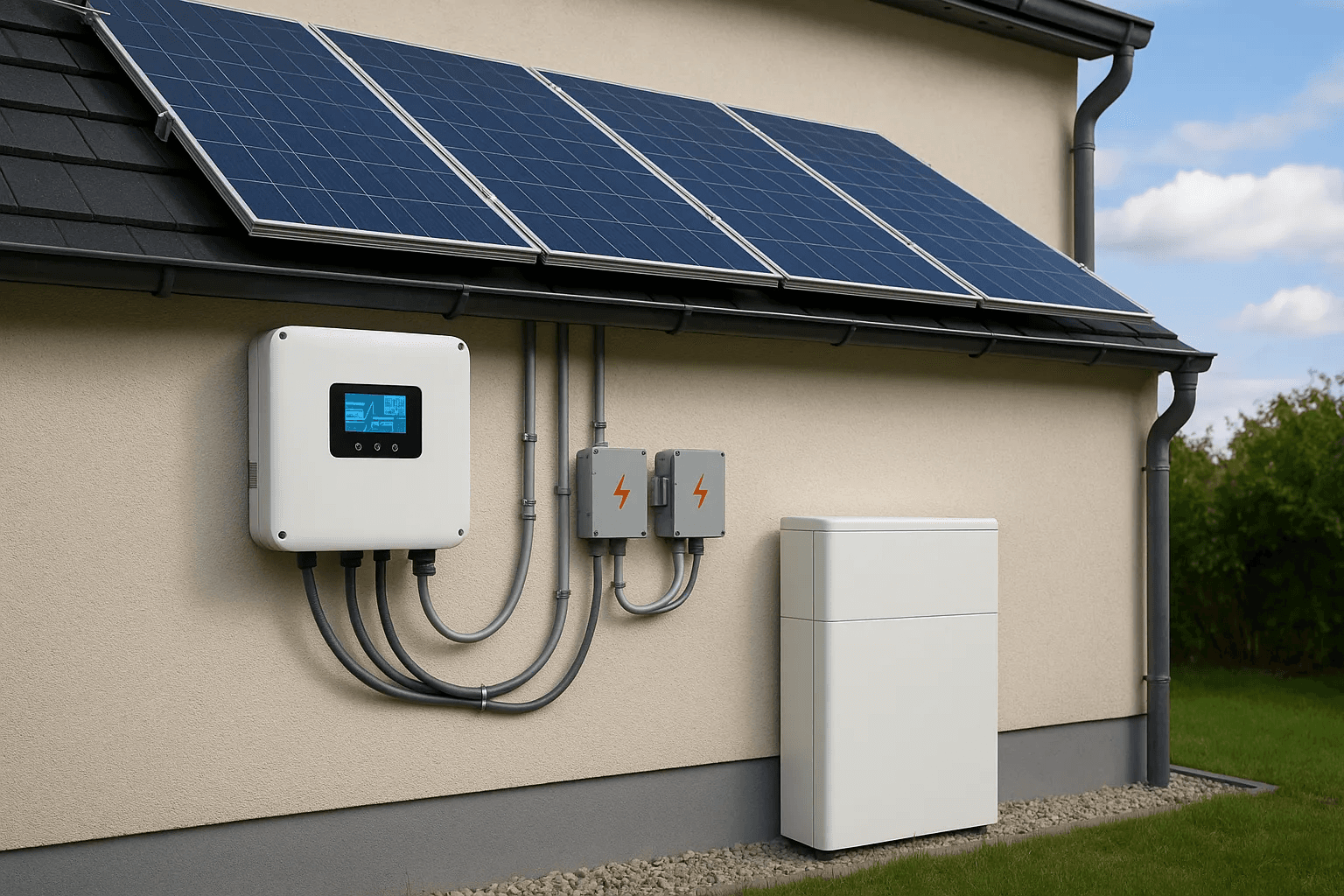
Short answer: in Queensland, solar for renters works through the landlord. The state's Supercharged Solar for Renters program, open since 12 December 2025, pays eligible landlords a rebate of up to $3,500 toward a solar system of at least 3 kW on a rented house, duplex, townhouse or granny flat. The property must be individually metered, rented for $1,000 a week or less, have no existing solar, and the tenant has to consent. Apartments aren't eligible. The landlord must get conditional approval before the system goes in.
Program details below were checked against the Queensland Government's program pages in October 2026. Funding is first in, first served, so confirm it's still open before you plan around it.
What is the Supercharged Solar for Renters program?
It's a Queensland Government rebate, administered by the Queensland Rural and Industry Development Authority (QRIDA), that pays part of the cost of a new rooftop solar system on a rental property. The landlord applies, the landlord pays the installer, and the landlord receives the rebate. The tenant gets the cheaper power.
The government says it expects around 6,500 renting households to save about $700 a year each, depending on location and system size, and it has allocated $26.3 million to the rebates (Queensland Government).
The rebate depends on the size of the system:
| Solar system capacity | Rebate |
|---|---|
| At least 3 kW but less than 4 kW | $2,500 |
| At least 4 kW but less than 5 kW | $3,000 |
| 5 kW or more | $3,500 |
Two details matter here. First, "capacity" means the inverter rating or the total panel capacity, whichever is lower. A common 6.6 kW array on a 5 kW inverter counts as 5 kW, which still sits in the top bracket. Second, the rebate is capped at what you actually paid for the system including GST, so it can never exceed the bill.
It sits on top of the federal STC discount rather than replacing it. The STC discount is already taken off the installer's price for any new rooftop system, landlords included. We explain how the federal and state schemes fit together on our QLD solar rebates page.
Who is eligible for the landlord solar rebate in QLD?
There are three sets of rules: for the landlord, the property, and the system. Miss one and the application fails.
The landlord
- Lives in Australia.
- Owns the rental property as an individual. Properties held in a trust, a self-managed super fund or another entity are not eligible.
- Doesn't live in the property. Renting out a spare room in your own home doesn't count.
- Has the tenant's written consent, and body corporate consent if the property is in a scheme.
- Can apply for up to three properties, each at a different street address.
The property
- In Queensland.
- A house, duplex or townhouse (a Class 1a building under the building code), or a secondary dwelling such as a granny flat.
- Currently rented under a tenancy agreement, for $1,000 a week or less.
- Individually metered, with its own electricity meter.
- No existing solar system, working or not.
- Not part of an embedded network.
The solar system
- At least 3 kW.
- Sold by a New Energy Tech Approved Seller.
- Panels and inverter on the Clean Energy Council approved lists.
- Designed and installed by Solar Accreditation Australia accredited people, with Queensland electrical licences.
- Fitted with a generation signalling device, whatever the system size.
- No recycled components.
That full list comes from the Queensland Treasury program page. The approved-seller requirement is the one we see overlooked most. Plenty of competent installers aren't signed up to the New Energy Tech Consumer Code, and a quote from one of them won't qualify however good it is. Check whoever quotes you against the approved seller list, and that goes for us too.
How do you apply? The two-stage process
The application runs in two stages through QRIDA's online portal, and the order matters.
Stage 1: conditional approval (before anything goes on the roof)
- Get quotes. The quote has to show the seller's business name, ABN and address, your name, the property address, a date after 12 December 2025, the system designer's Solar Accreditation Australia number, the panel and inverter brands and models, the system size, and the total cost.
- Get your tenant's consent on the government's tenant acknowledgement and consent form.
- Apply for conditional approval with the quote, proof of ownership, the signed consent form, a fixed-term lease, evidence that the tenant holds the electricity account or pays a set share of it, and body corporate approval if relevant.
- Wait for the conditional approval letter. Funding is then held for you for 150 days.
Stage 2: final approval (after installation)
- Sign a new or updated lease. It must have at least eight months left to run when you lodge the final application, the weekly rent can't be higher than in the lease you submitted at Stage 1, and it must say a solar system has been or will be installed and who's responsible for maintaining it.
- Install and pay in full. Your installer handles the Energex or Ergon connection. If a battery goes in at the same time, it has to be itemised separately because it isn't eligible under this program.
- Lodge the final application with the lease and the paid invoice.
Full steps are on the how to apply page. One thing to watch: if you change the retailer, the panel, the inverter or the quoted cost after conditional approval, tell QRIDA first. A system that doesn't match what was approved can be declined at final approval.
What does solar cost a landlord after the rebate?
On the Sunshine Coast, a quality 6.6 kW system on a straightforward single-storey roof typically costs $5,000 to $7,000 installed with the STC discount already applied, around $6,000 being typical (as at August 2026). A 10 kW system is usually $8,000 to $11,000.
| Typical figure | |
|---|---|
| 6.6 kW system, installed, STC discount applied | ~$6,000 |
| Supercharged Solar for Renters rebate (5 kW or more) | −$3,500 |
| Landlord's net cost | ~$2,500 |
That's before any tax treatment. The Queensland Government notes landlords may be able to claim depreciation on a solar system, and points you to your accountant or the ATO for the detail (qld.gov.au). We're installers, not tax advisers, so we'll leave it there.
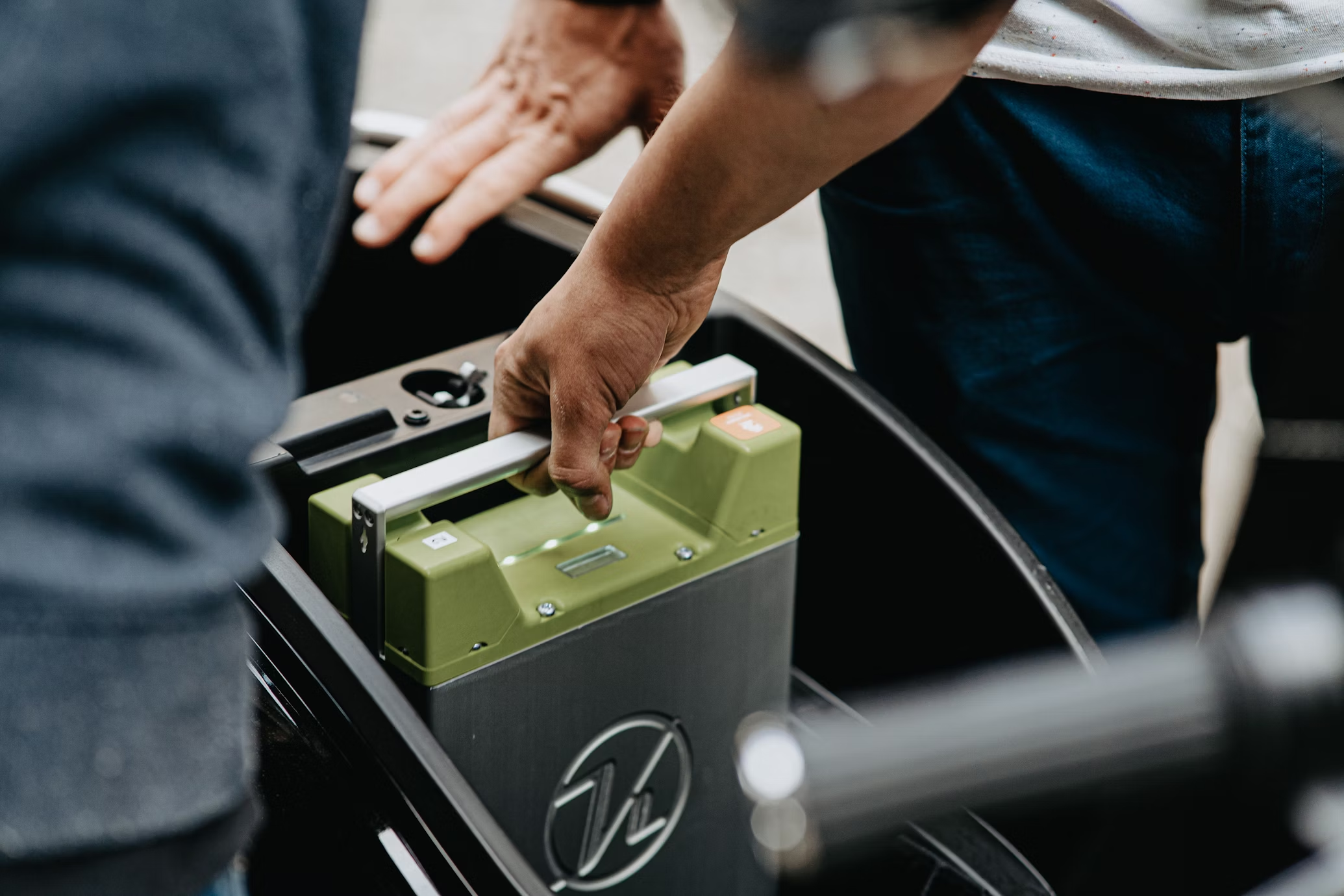
A landlord can also add a battery and claim the federal Cheaper Home Batteries discount, which landlords can claim on each property they own. It's a separate federal scheme with its own rules, covered in our guide to the federal battery rebate. For most rentals, though, panels alone are where the value is.
What's in it for the tenant?
Lower bills, mostly during the day. Solar saves the most when power is used while the sun is up, so a tenant who works from home, runs the pool pump or washing machine in the day, or pre-cools the house in the afternoon will save more than one who's out from 7am to 6pm.
Whatever isn't used is exported for a feed-in credit. In south-east Queensland that's arranged with the electricity retailer and typically pays a few cents per kWh, much less than the price of buying power from the grid. Our guide to the solar feed-in tariff on the Sunshine Coast explains why using your solar beats exporting it.
Can the landlord put the rent up after installing solar?
The program doesn't override tenancy law. The Residential Tenancies Authority points out that the existing rule still applies: rent can only be increased once every 12 months (RTA). The program also requires that the rent in the final lease isn't higher than the rent in the lease submitted at conditional approval.
Beyond that, the Queensland Government's general advice is that if a landlord does raise rent to recover the cost of solar, the increase should be less than what the tenant saves on power, or the tenant ends up worse off. The government's solar for rentals calculator is designed for both sides to test that.
Who gets the feed-in credit?
The person whose name is on the electricity account. If the tenant holds the account, the tenant receives the credit. If the landlord holds the account and on-charges the tenant, the arrangement needs to be agreed and written into the lease. The RTA lists several ways to split it, and recommends settling it before the tenancy starts.
Can renters get solar in an apartment or unit?
Not through this program. Apartments, and units built above or below another unit, are generally Class 2 buildings and are excluded.
For apartments more broadly, solar is a body corporate question rather than an individual one. The roof is usually common property, so any system needs the body corporate's approval, and the options range from a system that only powers common areas, to shared arrangements, to individual systems for each unit where the roof and wiring allow. Every building is different, and some of these setups involve embedded networks and metering changes that need careful design. If you're an owner or committee member in a Sunshine Coast unit block, start with the body corporate manager, then get an installer to look at the roof and switchboard before anyone votes on anything.
If you rent an apartment, realistically the levers you have are choosing a good electricity plan and shifting usage where you can.
If you're a tenant: how to raise it with your landlord
Most landlords haven't heard of the program, or assume it's complicated. A short, specific request works better than a vague one.
- Check the basics first. Is it a house, duplex, townhouse or granny flat? Its own meter? No solar already? Rent at or under $1,000 a week?
- Send the link. The official program page answers most questions.
- Offer your consent up front. The landlord needs your signed consent form, and saying you'll sign removes a hurdle.
- Be open about the lease. A fixed-term lease with at least eight months to run is required at final approval, so it may mean re-signing.
- Agree who does what. Cleaning, access for maintenance and how the bill works should all go into the lease. The government's example lease annexure is a sensible starting point.
Sunshine Coast notes for landlords
A few things we'd flag specifically for rentals up here:
- Granny flats count, as secondary dwellings, but they need their own meter. A granny flat that runs off the main house's meter won't qualify as it stands.
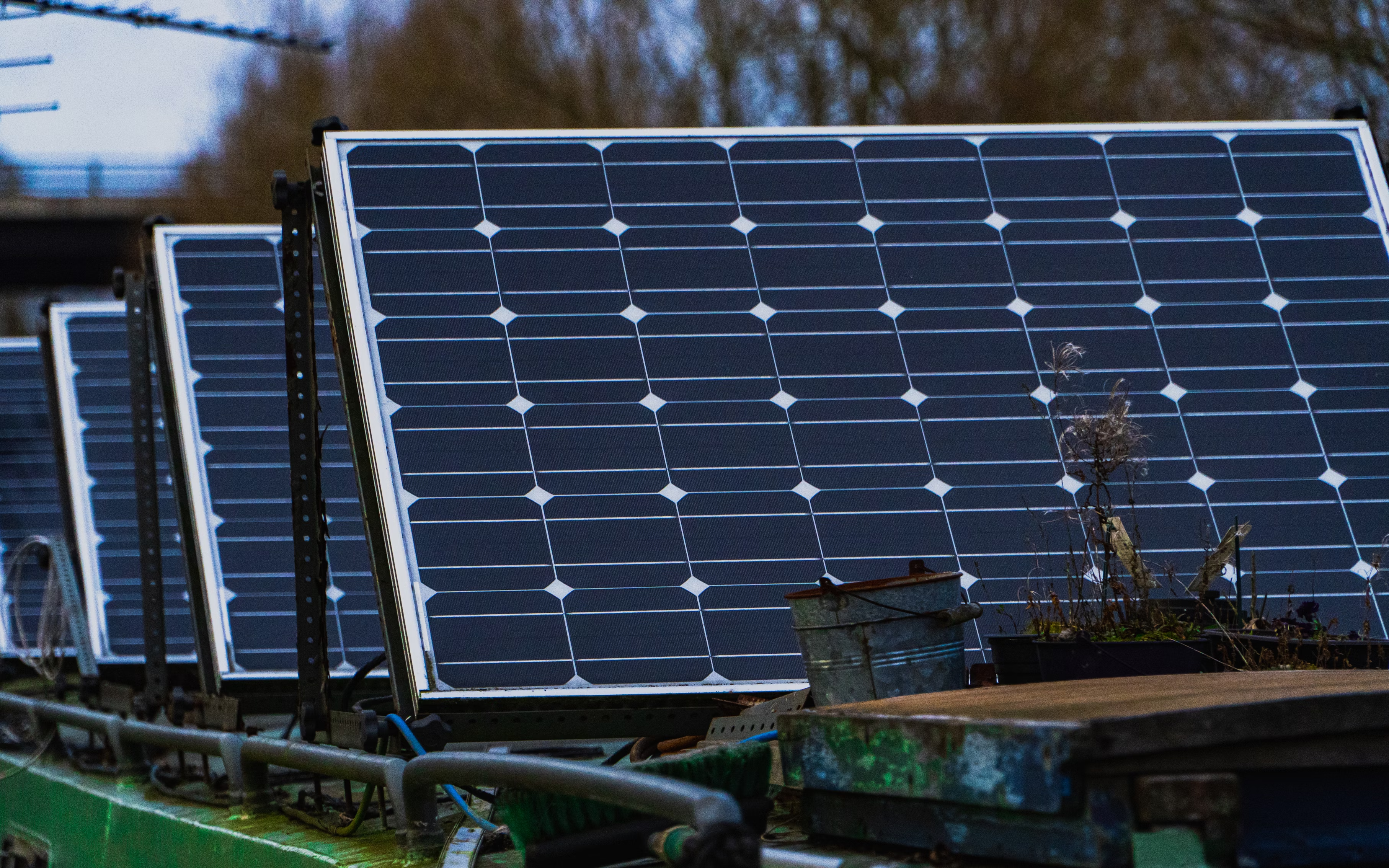
- Coastal rentals need maintenance planned in. Within about a kilometre of the water, panels typically need cleaning every three to four months because salt film builds up. Write into the lease who arranges it, because tenants shouldn't be on the roof.
- Repairs sit with the landlord. The government's guidance is that landlords are typically responsible if the system stops working, so choose an installer who'll still answer the phone in year eight.
- Size it sensibly. The government notes solar works best on detached rentals with a solid, sunny roof that can take 5 kW or more. On most Sunshine Coast houses that's a standard 6.6 kW job.
If you want a quote for a rental, our residential solar installations page explains what we fit and how the process runs. Ask us for the quote format the program needs, and get at least one other quote as well. Our guide to choosing a solar installer on the Sunshine Coast has the questions worth asking.
Frequently asked questions
Can renters get solar panels in Queensland?
Yes, but through the landlord. A tenant can't install panels on a property they don't own. Under the Supercharged Solar for Renters program, the landlord applies for a rebate of up to $3,500, with the tenant's consent, and the tenant benefits from lower power bills. The property must be a house, duplex, townhouse or granny flat with its own meter.
Is there a solar rebate for landlords in QLD?
Yes. Supercharged Solar for Renters pays eligible Queensland landlords $2,500, $3,000 or $3,500 depending on system size, for systems of 3 kW and above. Conditional approval must be granted before installation, and the system must come from a New Energy Tech Approved Seller. The federal STC discount still applies on top, as it does for any new rooftop system.
Are apartments eligible for Supercharged Solar for Renters?
No. Apartments and units built above or below another unit are generally Class 2 buildings and are excluded. The program covers houses, duplexes, townhouses and secondary dwellings such as granny flats. Solar for apartment buildings is usually a body corporate decision because the roof is common property.
Can a landlord increase the rent after installing solar?
Queensland's rule that rent can only rise once every 12 months still applies. The program also requires that the rent in the final lease is no higher than the rent in the lease submitted at conditional approval. The government's general advice is that any increase to recover solar costs should be smaller than the tenant's bill savings.
Can a landlord claim the rebate on more than one property?
Yes, for up to three properties, with a separate application for each street address. Each property must meet the eligibility rules on its own.
Who gets the feed-in tariff in a rental property?
Whoever holds the electricity account. If it's in the tenant's name, the tenant receives the feed-in credit. If the landlord holds the account and passes the cost on, how the solar credit is shared should be agreed and written into the tenancy agreement.